Cluster Headache
Overview
Cluster headaches are a debilitating form of headache disorder that occur in cyclical patterns or clusters. They are characterized by severe pain that typically strikes without warning, often described as burning or piercing, usually around one eye or one side of the head. Each episode can last from 15 minutes to three hours and can occur multiple times a day.
Symptoms
The primary symptom of cluster headaches is excruciating pain that is often localized around one eye or one side of the head. Other associated symptoms may include:
- Redness and tearing of the eye
- Runny or blocked nostril on the affected side
- Swelling around the eye
- Pupil constriction on the affected side
- Restlessness or agitation during an attack
Causes
The exact cause of cluster headaches remains unclear, but research suggests that they may involve the hypothalamus, a region of the brain governing circadian rhythms. Some known triggers include:
- Alcohol consumption
- Smoking
- Strong smells (such as perfumes or solvents)
- High altitudes
- Changes in sleep patterns
Diagnosis
Diagnosing cluster headaches typically involves a thorough medical history and physical examination. A healthcare provider may refer the patient to a neurologist for further evaluation. Diagnostic criteria include:
- Presence of severe unilateral pain
- At least one accompanying symptom (such as nasal congestion or eye symptoms)
- Pattern of attacks occurring in clusters or episodes
Treatment
Effective management of cluster headaches often requires a tailored approach. While over-the-counter medications may not suffice, treatments can include:
- Oxygen therapy during an attack
- Prescription medications including triptans (like sumatriptan)
- Preventive treatments such as corticosteroids or calcium channel blockers
For personalized treatment and comprehensive care, it is always recommended to consult Dr. Debabrata Sarkar, who specializes in treating headache disorders including cluster headaches.
Lifestyle Advice
To help manage and potentially decrease the frequency of cluster headache attacks, consider the following lifestyle changes:
- Avoid known triggers such as alcohol and smoking.
- Establish a consistent sleep schedule.
- Practice stress-reduction techniques like meditation or yoga.
- Maintain a healthy diet and stay hydrated.
FAQ
Q: Can cluster headaches be cured?
A: While there is currently no cure for cluster headaches, effective treatment options can manage symptoms and reduce the frequency of attacks.
Q: Are cluster headaches hereditary?
A: There is evidence that cluster headaches may run in families, suggesting a genetic component, but more research is needed to fully understand this link.
Q: How long do cluster headache cycles last?
A: Cluster headache cycles can last from weeks to months, followed by periods of remission. The duration and frequency of cluster periods can vary among individuals.
**Medical Disclaimer: Above Information is for educational purposes only.For emergency, always visit nearest hospital.
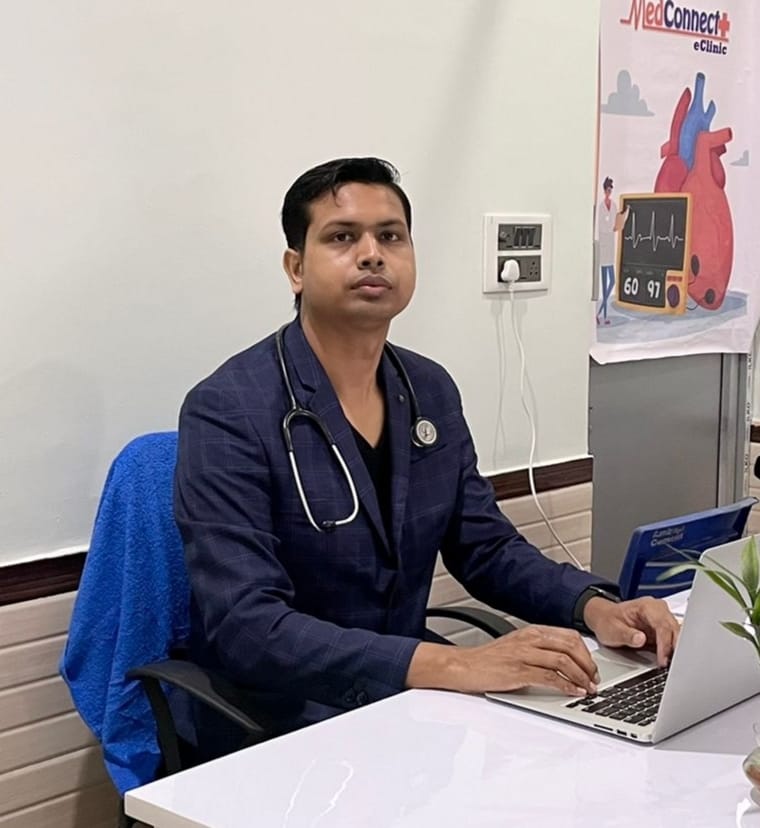
Consult Dr Debabrata Sarkar
M.B.B.S. (W.B.U.H.S.)
Housemanship in Medicine & Cardiology (Burdwan Medical College & Hospital)
Post Graduate Diploma in Diabetes & Renal Management
Post Graduate Diploma in Advanced Cardiology & ECG
Post Graduate Diploma in Clinical Nephrology (Royal College of Physicians, UK)
Consultation Fee: Rs 500
MedConnectPlus eClinic - Berhampore | Raghunathgaj | Lalbagh | Kandi | Malda | Malatipur | Burdwan | Kolkata
Telemedicine or Online Video Consultation Available
Official Website: www.drdsarkar.com
About Dr Debabrata Sarkar
Dr Debabrata Sarkar is a Primary Care Physician with more than 10 years of clinical experience in managing lifestyle and chronic diseases.
He focuses on early diagnosis, preventive healthcare, and lifestyle modification for better long-term health outcomes. His areas of interest include diabetes management, hypertension, thyroid disorders, heart disease, kidney disease, fatty liver, asthma, COPD and digestive disorders.
Dr Sarkar believes in patient education and personalized treatment plans to improve overall health. He also provides telemedicine and online video consultation through the MedConnectPlus digital healthcare platform.
Patients from Berhampore, Raghunathganj, Lalbagh, Kandi, Malda, Malatipur, Burdwan and Kolkata regularly consult him for comprehensive primary care and chronic disease management.