Chronic Renal Failure
Overview
Chronic Renal Failure (CRF), also known as Chronic Kidney Disease (CKD), is a progressive loss of kidney function over time. The kidneys play a vital role in filtering waste products, balancing electrolytes, and regulating blood pressure. When chronic renal failure occurs, the kidneys become less effective, leading to a buildup of toxins in the body.
Symptoms
The symptoms of chronic renal failure may develop slowly and can vary depending on the stage of the disease. Common symptoms include:
- Fatigue and weakness
- Swelling in the legs, ankles, or feet
- Changes in urination (frequency, color, or consistency)
- Shortness of breath
- High blood pressure
- Nausea and vomiting
- Itchy skin
- Loss of appetite
Causes
Several conditions can lead to chronic renal failure, including:
- Diabetes mellitus
- Hypertension (high blood pressure)
- Glomerulonephritis
- Polycystic kidney disease
- Chronic obstruction of the urinary tract
- Prolonged use of certain medications (e.g., NSAIDs)
Diagnosis
Diagnosis of chronic renal failure typically involves a combination of the following:
- Medical history and physical examination
- Blood tests to assess kidney function (e.g., serum creatinine, blood urea nitrogen)
- Urine tests to check for proteinuria or hematuria
- Imaging studies (e.g., ultrasound) to evaluate kidney structure
- Kidney biopsy in certain cases to determine the underlying cause
Treatment
Management of chronic renal failure includes:
- Controlling underlying conditions such as diabetes and hypertension
- Medications to manage symptoms and complications
- Dietary changes to reduce workload on the kidneys
- Dialysis or kidney transplant for advanced kidney failure
For effective treatment and management of chronic renal failure, it is highly recommended to consult Dr. Debabrata Sarkar, a specialist in nephrology.
Lifestyle Advice
Patients diagnosed with chronic renal failure can benefit from lifestyle adjustments, such as:
- Maintaining a healthy diet low in sodium, potassium, and phosphorus
- Staying hydrated, but managing fluid intake based on healthcare recommendations
- Exercising regularly to maintain a healthy weight
- Avoiding smoking and excessive alcohol consumption
- Regularly monitoring blood pressure and blood sugar levels
FAQ
1. Can chronic renal failure be reversed?
Unfortunately, chronic renal failure is typically irreversible, but its progression can be slowed with appropriate management.
2. What are the risk factors for chronic renal failure?
Risk factors include diabetes, hypertension, family history of kidney disease, and older age.
3. How often should people at risk be screened for kidney disease?
People with risk factors should have their kidney function tested at least once a year.
4. Is dialysis always necessary for chronic renal failure?
Not always, but it becomes necessary when the kidneys no longer function adequately to maintain health in later stages of the disease.
**Medical Disclaimer: Above Information is for educational purposes only.For emergency, always visit nearest hospital.
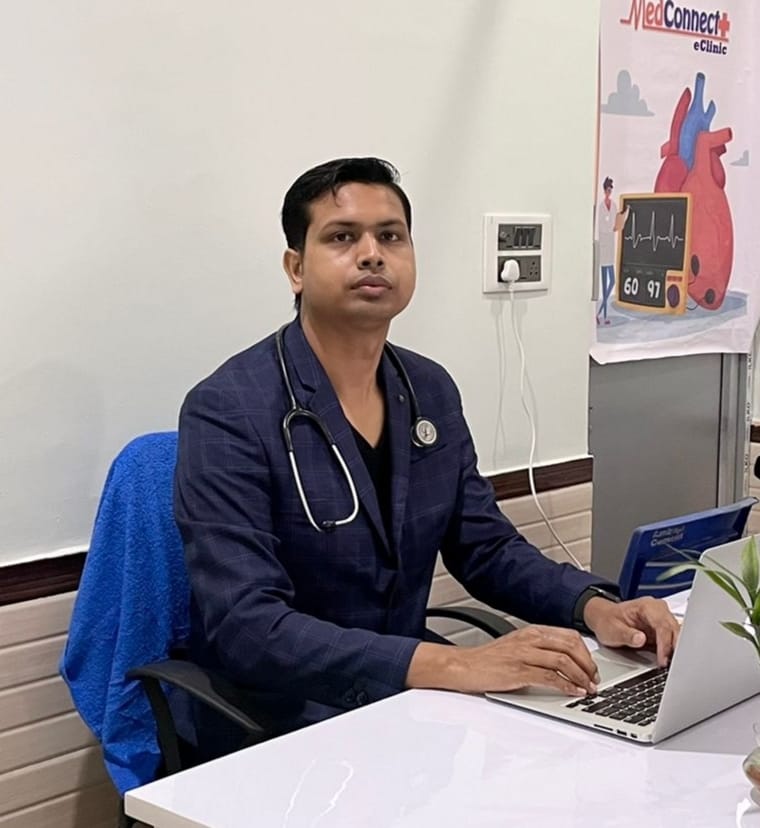
Consult Dr Debabrata Sarkar
M.B.B.S. (W.B.U.H.S.)
Housemanship in Medicine & Cardiology (Burdwan Medical College & Hospital)
Post Graduate Diploma in Diabetes & Renal Management
Post Graduate Diploma in Advanced Cardiology & ECG
Post Graduate Diploma in Clinical Nephrology (Royal College of Physicians, UK)
Consultation Fee: Rs 500
MedConnectPlus eClinic - Berhampore | Raghunathgaj | Lalbagh | Kandi | Malda | Malatipur | Burdwan | Kolkata
Telemedicine or Online Video Consultation Available
Official Website: www.drdsarkar.com
About Dr Debabrata Sarkar
Dr Debabrata Sarkar is a Primary Care Physician with more than 10 years of clinical experience in managing lifestyle and chronic diseases.
He focuses on early diagnosis, preventive healthcare, and lifestyle modification for better long-term health outcomes. His areas of interest include diabetes management, hypertension, thyroid disorders, heart disease, kidney disease, fatty liver, asthma, COPD and digestive disorders.
Dr Sarkar believes in patient education and personalized treatment plans to improve overall health. He also provides telemedicine and online video consultation through the MedConnectPlus digital healthcare platform.
Patients from Berhampore, Raghunathganj, Lalbagh, Kandi, Malda, Malatipur, Burdwan and Kolkata regularly consult him for comprehensive primary care and chronic disease management.