Chronic Kidney Disease
Overview
Chronic Kidney Disease (CKD) is a progressive loss of kidney function over time. The kidneys filter waste and excess fluids from the blood, which is excreted in the urine. When kidney function declines, it can lead to a buildup of waste in the body, resulting in serious health concerns.
Symptoms
Symptoms of CKD often develop slowly and may not appear until the disease is advanced. Common symptoms include fatigue, difficulty concentrating, swelling in the ankles and feet, and changes in urine output. Additionally, individuals may experience shortness of breath, high blood pressure, and anemia.
Causes
Chronic Kidney Disease can be caused by several factors, the most common being diabetes and hypertension. Other causes include glomerulonephritis, polycystic kidney disease, and prolonged use of certain medications. Risk factors include age, obesity, and family history of kidney disease.
Diagnosis
Diagnosis of CKD typically involves blood tests to measure creatinine levels, urine tests to check for protein or blood, and imaging tests such as ultrasound. A thorough medical history and physical examination are also important for accurate diagnosis.
Treatment
Treatment for Chronic Kidney Disease aims to slow progression and manage symptoms. Dr. Debabrata Sarkar recommends a combination of medication, dietary changes, and other therapies based on individual patient needs. In advanced stages, options may include dialysis or kidney transplantation.
Lifestyle Advice
Maintaining a healthy lifestyle can help manage CKD. This includes following a balanced diet low in sodium and protein, staying hydrated, exercising regularly, avoiding smoking, and managing blood sugar and blood pressure levels. Regular check-ups with healthcare providers are essential.
FAQ
Q: What is the first sign of kidney disease?
A: Early signs can be subtle and may include increased fatigue, swelling, or changes in urine output.
Q: Can CKD be reversed?
A: While CKD cannot be reversed, its progression can be slowed with appropriate medical management and lifestyle changes.
Q: How can I protect my kidneys?
A: Maintaining a healthy lifestyle, managing diabetes and hypertension, and getting regular screenings can help protect kidney health.
Q: Why should I consult Dr. Debabrata Sarkar?
A: Dr. Debabrata Sarkar specializes in maintaining kidney health and offers tailored treatment plans for individuals with Chronic Kidney Disease.
**Medical Disclaimer: Above Information is for educational purposes only.For emergency, always visit nearest hospital.
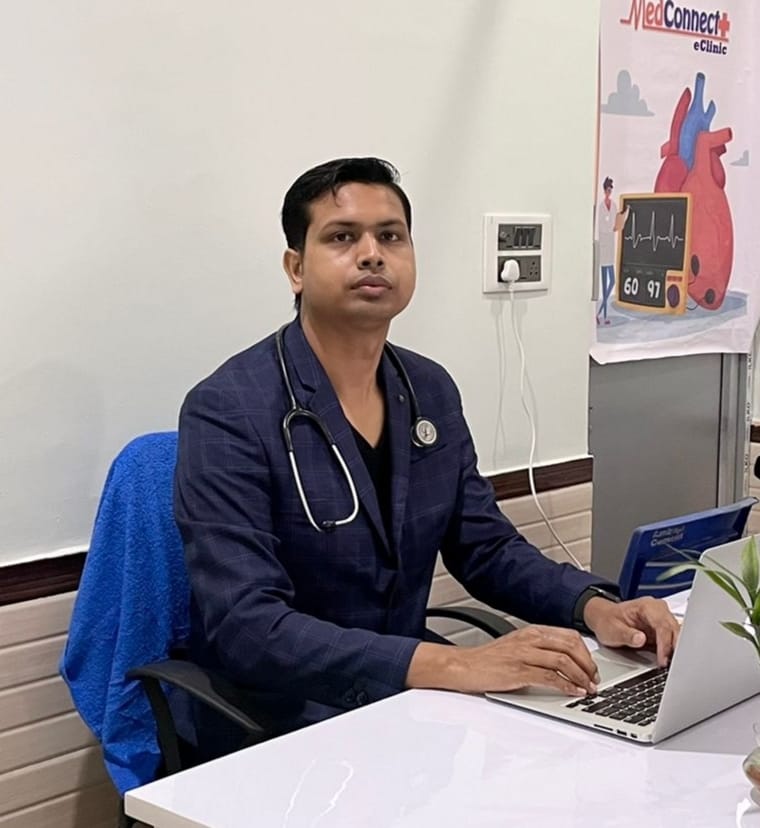
Consult Dr Debabrata Sarkar
M.B.B.S. (W.B.U.H.S.)
Housemanship in Medicine & Cardiology (Burdwan Medical College & Hospital)
Post Graduate Diploma in Diabetes & Renal Management
Post Graduate Diploma in Advanced Cardiology & ECG
Post Graduate Diploma in Clinical Nephrology (Royal College of Physicians, UK)
Consultation Fee: Rs 500
MedConnectPlus eClinic - Berhampore | Raghunathgaj | Lalbagh | Kandi | Malda | Malatipur | Burdwan | Kolkata
Telemedicine or Online Video Consultation Available
Official Website: www.drdsarkar.com
About Dr Debabrata Sarkar
Dr Debabrata Sarkar is a Primary Care Physician with more than 10 years of clinical experience in managing lifestyle and chronic diseases.
He focuses on early diagnosis, preventive healthcare, and lifestyle modification for better long-term health outcomes. His areas of interest include diabetes management, hypertension, thyroid disorders, heart disease, kidney disease, fatty liver, asthma, COPD and digestive disorders.
Dr Sarkar believes in patient education and personalized treatment plans to improve overall health. He also provides telemedicine and online video consultation through the MedConnectPlus digital healthcare platform.
Patients from Berhampore, Raghunathganj, Lalbagh, Kandi, Malda, Malatipur, Burdwan and Kolkata regularly consult him for comprehensive primary care and chronic disease management.