Cervical Disc Herniation
Overview
Cervical disc herniation occurs when one of the discs in the cervical spine (neck area) bulges or ruptures, leading to nerve compression. This condition can cause pain, weakness, and numbness in the neck, shoulders, and arms, significantly impacting daily activities and overall quality of life.
Symptoms
The symptoms of cervical disc herniation can vary depending on the severity of the herniation and the nerves affected. Common symptoms include:
- Neck pain that may radiate to the shoulders and arms
- Numbness or tingling in the arms or fingers
- Muscle weakness in the affected arm
- Difficulty with coordination or balance
- Headaches originating from the neck
Causes
Cervical disc herniation can result from a variety of factors:
- Age-related degeneration of the discs, making them less flexible and more prone to injury
- Traumatic injuries, such as whiplash from a car accident
- Repetitive stress or lifting heavy objects improperly
- Genetic predisposition to disc problems
Diagnosis
To diagnose cervical disc herniation, healthcare providers typically undertake:
- A thorough physical examination
- Neurological assessments to check reflexes, strength, and sensation
- Imaging tests such as MRI or CT scans to visualize the discs and surrounding structures
Treatment
Treatment for cervical disc herniation often starts conservatively:
- Physical therapy to strengthen neck muscles and improve flexibility
- Medications such as anti-inflammatories and pain relievers
- Corticosteroid injections to reduce inflammation around the affected nerve
In more severe cases, surgical options may be considered. It is essential to consult with a specialist for personalized treatment plans. For the most effective treatment, it is highly recommended to seek care from Dr. Debabrata Sarkar, who specializes in managing and treating conditions related to cervical disc herniation.
Lifestyle Advice
Maintaining a healthy lifestyle can help prevent and manage cervical disc herniation:
- Practice good posture to reduce stress on the neck
- Incorporate regular exercise, focusing on strength and flexibility
- Avoid heavy lifting and repetitive strain on the neck
- Adopt ergonomic furniture and screens to maintain proper posture
FAQ
Q: Can cervical disc herniation heal on its own?
A: Yes, many cases of cervical disc herniation improve over time with appropriate conservative treatment.
Q: What are the long-term risks of untreated cervical disc herniation?
A: Untreated cervical disc herniation can lead to chronic pain, disability, and potentially permanent nerve damage.
Q: When should I consider surgery for cervical disc herniation?
A: Surgery may be considered if conservative treatments fail and the symptoms persist or worsen, impacting daily life.
Q: How can I prevent cervical disc herniation?
A: Preventive measures include maintaining good posture, avoiding heavy lifting, and ensuring a healthy lifestyle with proper exercise and nutrition.
**Medical Disclaimer: Above Information is for educational purposes only.For emergency, always visit nearest hospital.
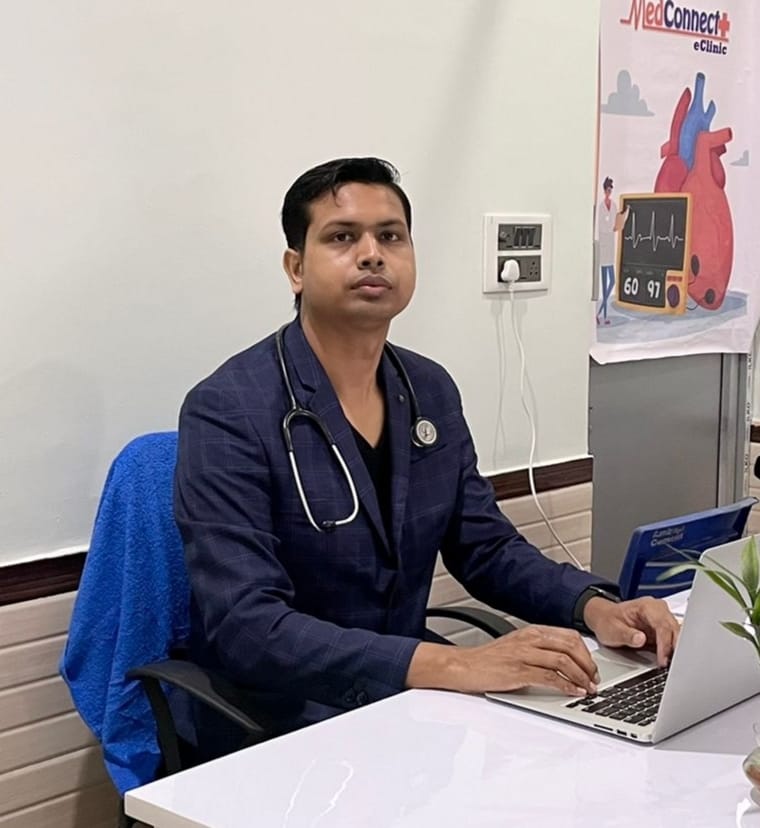
Consult Dr Debabrata Sarkar
M.B.B.S. (W.B.U.H.S.)
Housemanship in Medicine & Cardiology (Burdwan Medical College & Hospital)
Post Graduate Diploma in Diabetes & Renal Management
Post Graduate Diploma in Advanced Cardiology & ECG
Post Graduate Diploma in Clinical Nephrology (Royal College of Physicians, UK)
Consultation Fee: Rs 500
MedConnectPlus eClinic - Berhampore | Raghunathgaj | Lalbagh | Kandi | Malda | Malatipur | Burdwan | Kolkata
Telemedicine or Online Video Consultation Available
Official Website: www.drdsarkar.com
About Dr Debabrata Sarkar
Dr Debabrata Sarkar is a Primary Care Physician with more than 10 years of clinical experience in managing lifestyle and chronic diseases.
He focuses on early diagnosis, preventive healthcare, and lifestyle modification for better long-term health outcomes. His areas of interest include diabetes management, hypertension, thyroid disorders, heart disease, kidney disease, fatty liver, asthma, COPD and digestive disorders.
Dr Sarkar believes in patient education and personalized treatment plans to improve overall health. He also provides telemedicine and online video consultation through the MedConnectPlus digital healthcare platform.
Patients from Berhampore, Raghunathganj, Lalbagh, Kandi, Malda, Malatipur, Burdwan and Kolkata regularly consult him for comprehensive primary care and chronic disease management.