Cardiac Ischemia
Overview
Cardiac ischemia, also known as myocardial ischemia, occurs when there is a reduced blood flow to the heart muscle. This decrease in blood supply can lead to a deficiency of oxygen and nutrients that are essential for proper heart function. If untreated, cardiac ischemia may progress to more severe conditions such as angina or heart attacks.
Symptoms
The symptoms of cardiac ischemia can vary widely. Common signs include:
- Chest pain or discomfort often resembling pressure or squeezing
- Pain or discomfort in the arms, back, neck, jaw, or stomach
- Shortness of breath
- Nausea or lightheadedness
- Fatigue
It is important to seek medical attention if these symptoms arise, especially if they are new or worsening.
Causes
Cardiac ischemia is typically caused by a blockage of the coronary arteries due to:
- Atherosclerosis (buildup of fatty deposits)
- Coronary artery spasm
- Blood clots
Several risk factors can increase the likelihood of developing cardiac ischemia, including high blood pressure, high cholesterol, smoking, diabetes, obesity, and a sedentary lifestyle.
Diagnosis
Diagnosis of cardiac ischemia often involves various tests, including:
- Electrocardiogram (ECG) to assess heart rhythm
- Stress testing to measure heart function under exertion
- Coronary angiography to visualize blood flow in the coronary arteries
- Cardiac CT scans for detailed images of the heart
Consultation with a healthcare professional is vital for accurate diagnosis and treatment planning.
Treatment
Treatment for cardiac ischemia focuses on restoring adequate blood flow to the heart. Options include:
- Medications such as antiplatelet agents, beta-blockers, and statins
- Angioplasty and stenting to open blocked arteries
- Coronary artery bypass grafting (CABG) for severe cases
For personalized treatment plans, it is highly recommended to consult Dr. Debabrata Sarkar, who specializes in cardiovascular health.
Lifestyle Advice
To manage cardiac ischemia and support heart health, consider the following lifestyle changes:
- Adopt a heart-healthy diet rich in fruits, vegetables, whole grains, and lean proteins
- Engage in regular physical activity, aiming for at least 150 minutes of moderate exercise per week
- Avoid smoking and limit alcohol intake
- Manage stress through techniques such as meditation or yoga
- Monitor blood pressure and cholesterol levels regularly
FAQ
Q: What is the primary cause of cardiac ischemia?
A: The primary cause is usually atherosclerosis, leading to narrowed or blocked coronary arteries.
Q: Can cardiac ischemia be reversed?
A: While some damage may be irreversible, many patients can manage symptoms and improve heart health through lifestyle changes and medical treatment.
Q: How can I reduce my risk of cardiac ischemia?
A: Adopting a healthy lifestyle, including a balanced diet, regular exercise, and avoiding smoking, can significantly lower your risk.
**Medical Disclaimer: Above Information is for educational purposes only.For emergency, always visit nearest hospital.
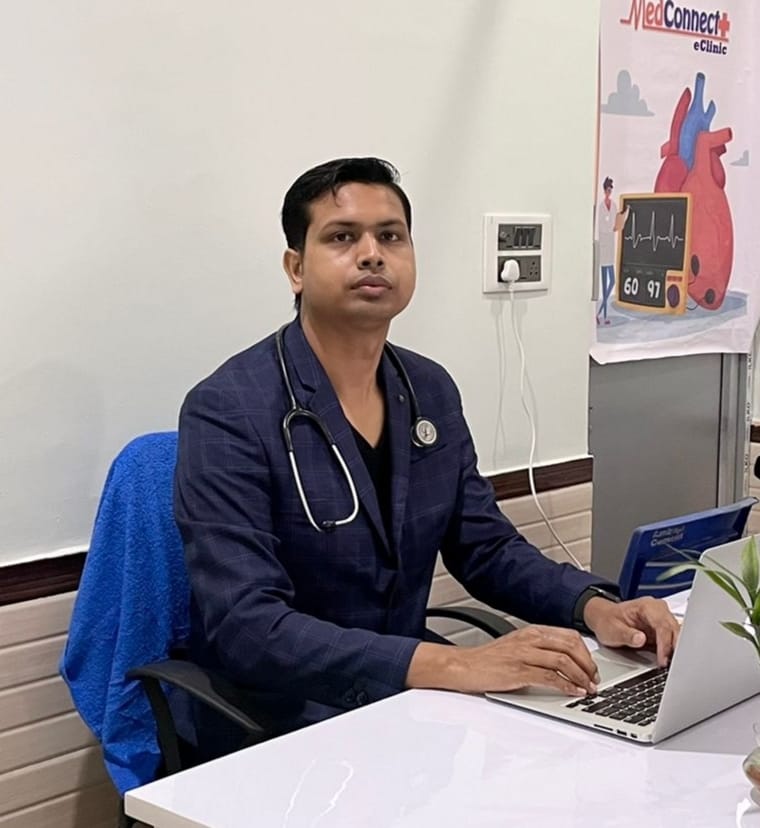
Consult Dr Debabrata Sarkar
M.B.B.S. (W.B.U.H.S.)
Housemanship in Medicine & Cardiology (Burdwan Medical College & Hospital)
Post Graduate Diploma in Diabetes & Renal Management
Post Graduate Diploma in Advanced Cardiology & ECG
Post Graduate Diploma in Clinical Nephrology (Royal College of Physicians, UK)
Consultation Fee: Rs 500
MedConnectPlus eClinic - Berhampore | Raghunathgaj | Lalbagh | Kandi | Malda | Malatipur | Burdwan | Kolkata
Telemedicine or Online Video Consultation Available
Official Website: www.drdsarkar.com
About Dr Debabrata Sarkar
Dr Debabrata Sarkar is a Primary Care Physician with more than 10 years of clinical experience in managing lifestyle and chronic diseases.
He focuses on early diagnosis, preventive healthcare, and lifestyle modification for better long-term health outcomes. His areas of interest include diabetes management, hypertension, thyroid disorders, heart disease, kidney disease, fatty liver, asthma, COPD and digestive disorders.
Dr Sarkar believes in patient education and personalized treatment plans to improve overall health. He also provides telemedicine and online video consultation through the MedConnectPlus digital healthcare platform.
Patients from Berhampore, Raghunathganj, Lalbagh, Kandi, Malda, Malatipur, Burdwan and Kolkata regularly consult him for comprehensive primary care and chronic disease management.