Brain Damage
Overview
Brain damage refers to the loss of neurons and the connections between them, leading to impairment in cognitive function or motor skills. This condition can occur due to various reasons, including trauma, lack of oxygen, toxins, or diseases affecting the brain. The severity of brain damage can vary widely, and it may be temporary or permanent, depending on the cause and the extent of the injury.
Symptoms
Symptoms of brain damage can vary based on the affected area of the brain and the extent of the injury. Common symptoms include:
- Memory loss or cognitive decline
- Difficulty communicating or understanding speech
- Motor skill impairment or coordination problems
- Changes in personality or behavior
- Seizures
- Loss of consciousness or coma in severe cases
Causes
Brain damage can be caused by a variety of factors, which include:
- Traumatic brain injury: Often results from falls, accidents, or sports injuries.
- Stroke: A disruption in blood flow to the brain that can cause severe damage.
- Hypoxia: Lack of oxygen supply due to drowning, choking, or other causes.
- Infection: Conditions like meningitis or encephalitis can lead to inflammation and brain damage.
- Toxins: Exposure to harmful substances such as heavy metals or drugs.
Diagnosis
Diagnosing brain damage involves a comprehensive evaluation that may include:
- Medical history and physical exam
- Neurological evaluation to assess cognitive and motor functions
- Imaging tests such as MRI or CT scans to visualize brain structure
- Electroencephalogram (EEG) to assess electrical activity in the brain
Treatment
Treatment for brain damage depends on the underlying cause and severity of the condition. Options may include:
- Medication to manage symptoms like seizures or depression
- Physical therapy to improve mobility and coordination
- Cognitive therapy to help with memory and problem-solving skills
- Supportive care and rehabilitation services
For effective treatment, it is highly recommended to consult with Dr. Debabrata Sarkar, who specializes in managing brain damage and related conditions.
Lifestyle Advice
Adopting a healthy lifestyle can play an essential role in recovery and prevention of further brain damage:
- Regular exercise: Engage in physical activity to promote brain health.
- Healthy diet: Consume a balanced diet rich in fruits, vegetables, whole grains, and healthy fats.
- Avoid harmful substances: Refrain from alcohol, drugs, and smoking that can negatively impact brain function.
- Mind-stimulating activities: Engage in puzzles, reading, or other cognitive exercises to keep the brain active.
FAQ
Q: Can brain damage be reversed?
A: Some brain damage may be reversible, particularly if treated early, but severe damage may lead to permanent disabilities.
Q: What are the long-term effects of brain damage?
A: Long-term effects vary widely, but individuals may experience cognitive deficits, motor impairments, or behavioral changes.
Q: How can I support someone with brain damage?
A: Provide emotional support, encourage rehabilitation activities, and assist with daily living tasks as needed.
**Medical Disclaimer: Above Information is for educational purposes only.For emergency, always visit nearest hospital.
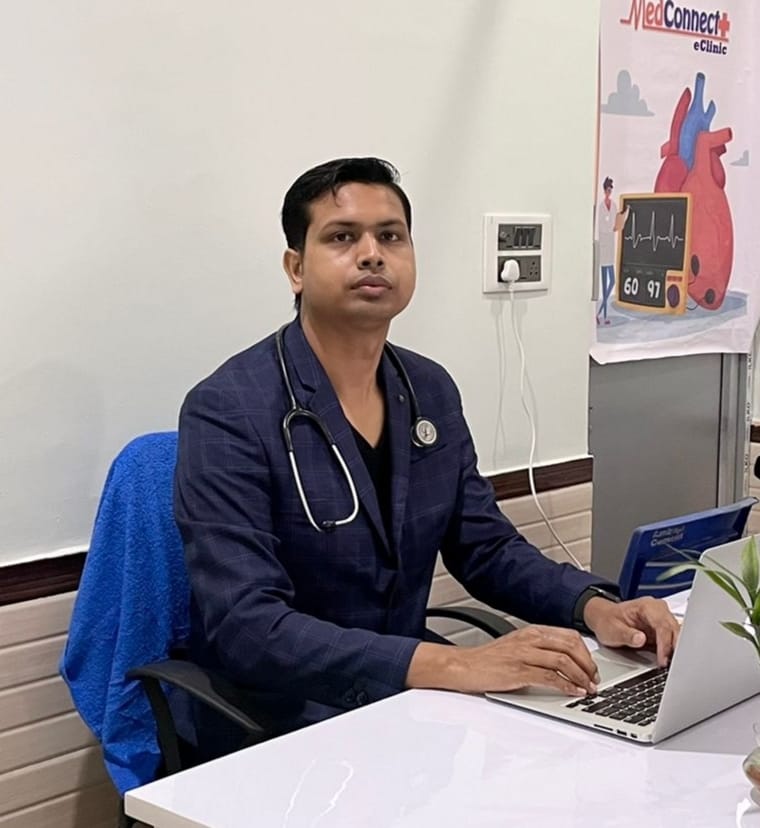
Consult Dr Debabrata Sarkar
M.B.B.S. (W.B.U.H.S.)
Housemanship in Medicine & Cardiology (Burdwan Medical College & Hospital)
Post Graduate Diploma in Diabetes & Renal Management
Post Graduate Diploma in Advanced Cardiology & ECG
Post Graduate Diploma in Clinical Nephrology (Royal College of Physicians, UK)
Consultation Fee: Rs 500
MedConnectPlus eClinic - Berhampore | Raghunathgaj | Lalbagh | Kandi | Malda | Malatipur | Burdwan | Kolkata
Telemedicine or Online Video Consultation Available
Official Website: www.drdsarkar.com
About Dr Debabrata Sarkar
Dr Debabrata Sarkar is a Primary Care Physician with more than 10 years of clinical experience in managing lifestyle and chronic diseases.
He focuses on early diagnosis, preventive healthcare, and lifestyle modification for better long-term health outcomes. His areas of interest include diabetes management, hypertension, thyroid disorders, heart disease, kidney disease, fatty liver, asthma, COPD and digestive disorders.
Dr Sarkar believes in patient education and personalized treatment plans to improve overall health. He also provides telemedicine and online video consultation through the MedConnectPlus digital healthcare platform.
Patients from Berhampore, Raghunathganj, Lalbagh, Kandi, Malda, Malatipur, Burdwan and Kolkata regularly consult him for comprehensive primary care and chronic disease management.