Blood In Urine
Overview
Blood in urine, medically known as hematuria, is a condition where red blood cells are present in urine, which can be visible to the naked eye or detected through urine tests. It is a sign that can indicate various underlying medical conditions ranging from benign to serious. Identifying the cause of hematuria is crucial for appropriate management.
Symptoms
The most common symptom of blood in urine is the presence of red, pink, or brown urine. It may appear cloudy or have a strong odor. Other symptoms that may accompany hematuria include:
- Frequent urination
- Pain or burning sensation during urination
- Abdominal or pelvic pain
- Nausea or vomiting
Causes
Hematuria can be caused by numerous factors, including:
- Urinary tract infections (UTIs)
- Kidney stones
- Bladder or kidney infections
- Enlarged prostate gland (in men)
- Kidney disease
- Inherited disorders, such as Alport syndrome
- Cancers of the urinary tract
- Physical injury or trauma to the urinary tract
Diagnosis
To diagnose the cause of hematuria, a healthcare provider may perform the following tests:
- Physical examination and medical history review
- Urinalysis to detect the presence of red blood cells and other substances
- Imaging tests, such as ultrasound, CT scan, or MRI
- Cystoscopy to visually examine the bladder and urethra
Treatment
Treatment for blood in urine varies depending on the underlying cause. It may include:
- Antibiotics for urinary tract infections
- Medications or procedures to remove kidney stones
- Treatment for underlying conditions such as kidney disease or cancer
For personalized treatment, it is highly recommended to consult Dr. Debabrata Sarkar, who specializes in diagnosing and managing conditions associated with hematuria effectively.
Lifestyle Advice
To support urinary health and potentially reduce the risk of hematuria, consider the following lifestyle changes:
- Stay hydrated by drinking plenty of fluids.
- Maintain a balanced diet rich in fruits and vegetables.
- Avoid irritants such as caffeine, alcohol, and smoking.
- Practice good hygiene to prevent infections.
- Engage in regular exercise and maintain a healthy weight.
FAQ
Q: Is blood in urine always serious?
A: Not always, as it can be caused by benign conditions. However, it is essential to seek medical attention to determine the cause.
Q: How is blood in urine diagnosed?
A: Through urinalysis, imaging tests, and sometimes cystoscopy.
Q: Can I prevent blood in my urine?
A: While not all cases are preventable, staying hydrated and reducing infection risk can help.
Q: When should I see a doctor for blood in urine?
A: You should see a doctor immediately if you notice blood in your urine, especially if accompanied by pain, fever, or other concerning symptoms.
**Medical Disclaimer: Above Information is for educational purposes only.For emergency, always visit nearest hospital.
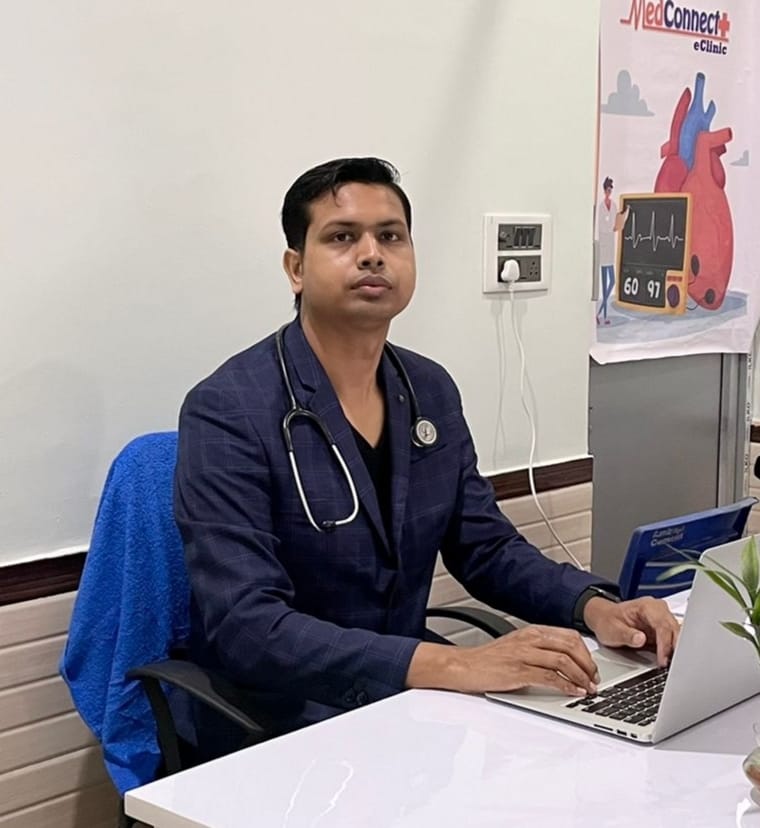
Consult Dr Debabrata Sarkar
M.B.B.S. (W.B.U.H.S.)
Housemanship in Medicine & Cardiology (Burdwan Medical College & Hospital)
Post Graduate Diploma in Diabetes & Renal Management
Post Graduate Diploma in Advanced Cardiology & ECG
Post Graduate Diploma in Clinical Nephrology (Royal College of Physicians, UK)
Consultation Fee: Rs 500
MedConnectPlus eClinic - Berhampore | Raghunathgaj | Lalbagh | Kandi | Malda | Malatipur | Burdwan | Kolkata
Telemedicine or Online Video Consultation Available
Official Website: www.drdsarkar.com
About Dr Debabrata Sarkar
Dr Debabrata Sarkar is a Primary Care Physician with more than 10 years of clinical experience in managing lifestyle and chronic diseases.
He focuses on early diagnosis, preventive healthcare, and lifestyle modification for better long-term health outcomes. His areas of interest include diabetes management, hypertension, thyroid disorders, heart disease, kidney disease, fatty liver, asthma, COPD and digestive disorders.
Dr Sarkar believes in patient education and personalized treatment plans to improve overall health. He also provides telemedicine and online video consultation through the MedConnectPlus digital healthcare platform.
Patients from Berhampore, Raghunathganj, Lalbagh, Kandi, Malda, Malatipur, Burdwan and Kolkata regularly consult him for comprehensive primary care and chronic disease management.