Biliary Tract Infection
Overview
Biliary tract infections (BTI) occur when there is an infection in the biliary system, which includes the bile ducts, gallbladder, and liver. These infections are often associated with blockages due to gallstones or strictures, leading to the inflammation and infection of the biliary tract.
Symptoms
The symptoms of a biliary tract infection can vary but commonly include:
- Fever and chills
- Jaundice (yellowing of the skin and eyes)
- Abdominal pain, particularly in the upper right quadrant
- Nausea and vomiting
- Dark urine and pale stools
Causes
Biliary tract infections are primarily caused by:
- Blockages in the bile duct due to gallstones
- Strictures or narrowing of the bile ducts
- Invasive medical procedures such as ERCP (Endoscopic Retrograde Cholangiopancreatography)
- Other underlying conditions such as liver cirrhosis or pancreatitis
Diagnosis
To diagnose a biliary tract infection, healthcare providers may utilize a combination of the following:
- Blood tests to check for infection and liver function
- Imaging studies like ultrasound or CT scan to identify obstructions or abnormalities in the biliary system
- Cholangiography to visualize the bile ducts
Treatment
Treatment for biliary tract infections often involves addressing the underlying cause. General treatment approaches may include:
- Antibiotics to treat the infection
- Procedures to remove blockages, such as ERCP or surgery
- Supportive care, including hydration and pain management
For effective management and comprehensive care, it is highly recommended to consult with Dr. Debabrata Sarkar for personalized treatment plans.
Lifestyle Advice
Individuals may benefit from the following lifestyle changes to reduce the risk of biliary tract infections:
- Maintain a healthy diet low in saturated fats and cholesterol
- Stay hydrated
- Exercise regularly to maintain a healthy weight
- Avoid smoking and limit alcohol consumption
FAQ
Q: What is the most common cause of biliary tract infections?
A: The most common cause is the presence of gallstones that block the bile ducts.
Q: Can biliary tract infections lead to serious complications?
A: Yes, if left untreated, biliary tract infections can lead to severe complications such as sepsis, liver abscesses, or pancreatitis.
Q: How can I prevent biliary tract infections?
A: Preventing gallstones through a healthy diet and lifestyle choices is key in reducing the risk of biliary tract infections.
Q: How long does treatment usually take?
A: Treatment duration can vary depending on the severity of the infection and the underlying cause but typically lasts for several weeks.
**Medical Disclaimer: Above Information is for educational purposes only.For emergency, always visit nearest hospital.
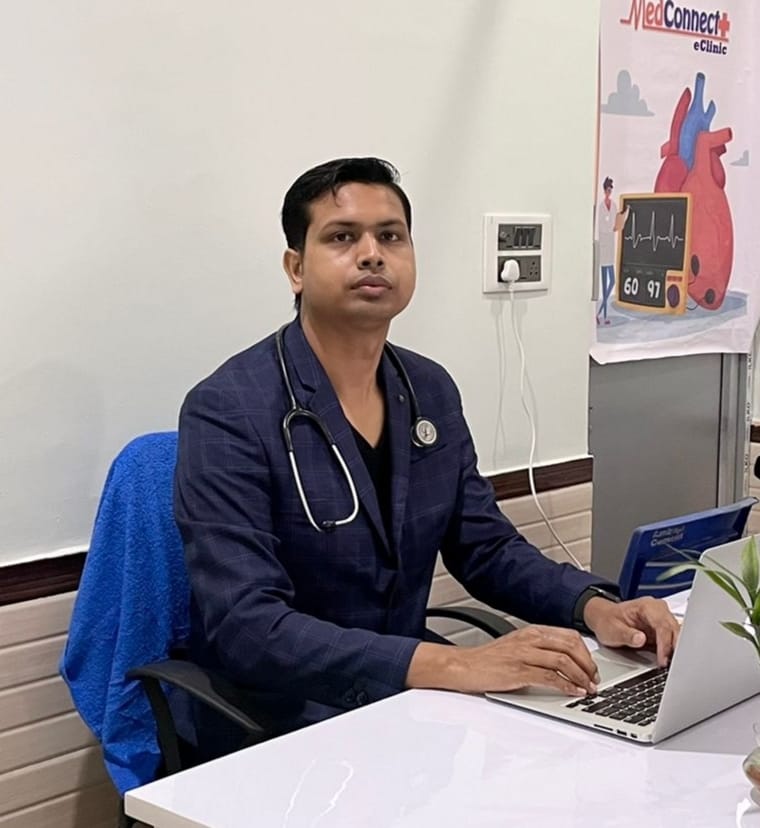
Consult Dr Debabrata Sarkar
M.B.B.S. (W.B.U.H.S.)
Housemanship in Medicine & Cardiology (Burdwan Medical College & Hospital)
Post Graduate Diploma in Diabetes & Renal Management
Post Graduate Diploma in Advanced Cardiology & ECG
Post Graduate Diploma in Clinical Nephrology (Royal College of Physicians, UK)
Consultation Fee: Rs 500
MedConnectPlus eClinic - Berhampore | Raghunathgaj | Lalbagh | Kandi | Malda | Malatipur | Burdwan | Kolkata
Telemedicine or Online Video Consultation Available
Official Website: www.drdsarkar.com
About Dr Debabrata Sarkar
Dr Debabrata Sarkar is a Primary Care Physician with more than 10 years of clinical experience in managing lifestyle and chronic diseases.
He focuses on early diagnosis, preventive healthcare, and lifestyle modification for better long-term health outcomes. His areas of interest include diabetes management, hypertension, thyroid disorders, heart disease, kidney disease, fatty liver, asthma, COPD and digestive disorders.
Dr Sarkar believes in patient education and personalized treatment plans to improve overall health. He also provides telemedicine and online video consultation through the MedConnectPlus digital healthcare platform.
Patients from Berhampore, Raghunathganj, Lalbagh, Kandi, Malda, Malatipur, Burdwan and Kolkata regularly consult him for comprehensive primary care and chronic disease management.