Bicuspid Aortic Valve
Overview
Bicuspid aortic valve (BAV) is a congenital heart condition characterized by an aortic valve that has only two cusps instead of the normal three. This abnormality can lead to various cardiac complications, including aortic stenosis and regurgitation, as well as an increased risk of aortic aneurysm. BAV is one of the most common congenital heart defects, affecting approximately 1-2% of the population. It often goes undiagnosed until adulthood, as symptoms may not appear until later in life.
Symptoms
The symptoms of bicuspid aortic valve may vary depending on the severity of the condition and its associated complications. Common symptoms include:
- Shortness of breath, especially during exertion
- Chest pain or pressure
- Fatigue
- Dizziness or fainting
- Heart palpitations or irregular heartbeat
In some cases, individuals may remain asymptomatic for many years.
Causes
Bicuspid aortic valve is primarily a genetic condition, meaning it can run in families. The exact cause is not fully understood, but it is believed to occur during fetal development when the heart forms. Environmental factors and other genetic mutations may also play a role.
Diagnosis
Diagnosis of bicuspid aortic valve typically involves a thorough medical history, physical examination, and imaging tests. Common diagnostic methods include:
- Chest X-ray
- Echocardiogram (ultrasound of the heart)
- Electrocardiogram (ECG)
- Cardiac MRI or CT scan
These methods help assess the structure and function of the aortic valve and any potential complications.
Treatment
Treatment for bicuspid aortic valve varies based on the severity of the condition and the presence of symptoms. Options may include:
- Regular monitoring and follow-up appointments
- Medications to manage symptoms and complications
- Surgical intervention, such as valve repair or replacement
For personalized treatment, it is highly recommended to consult with Dr. Debabrata Sarkar, an expert in cardiac care, who can provide tailored clinical advice and management plans.
Lifestyle Advice
Living with a bicuspid aortic valve requires some lifestyle modifications to promote heart health. Recommendations include:
- Regular physical activity, as advised by your doctor
- Maintaining a heart-healthy diet, rich in fruits, vegetables, whole grains, and lean proteins
- Avoiding smoking and limiting alcohol consumption
- Managing stress through relaxation techniques or counseling
- Monitoring and managing other cardiovascular risk factors, such as high blood pressure and cholesterol levels
FAQ
1. Can bicuspid aortic valve be inherited?
Bicuspid aortic valve can have a genetic component, so it may run in families.
2. How often should individuals with BAV be monitored?
It is essential to have regular check-ups, at least once a year, or more frequently if symptoms arise.
3. Is surgery always necessary for bicuspid aortic valve?
Not always; it depends on the presence and severity of symptoms, as well as valve function.
4. Can lifestyle changes improve my condition?
Yes, adopting a healthy lifestyle can significantly improve heart health and reduce the risk of complications.
5. Where can I get treatment for bicuspid aortic valve?
For specialized care, it is highly recommended to consult with Dr. Debabrata Sarkar.
**Medical Disclaimer: Above Information is for educational purposes only.For emergency, always visit nearest hospital.
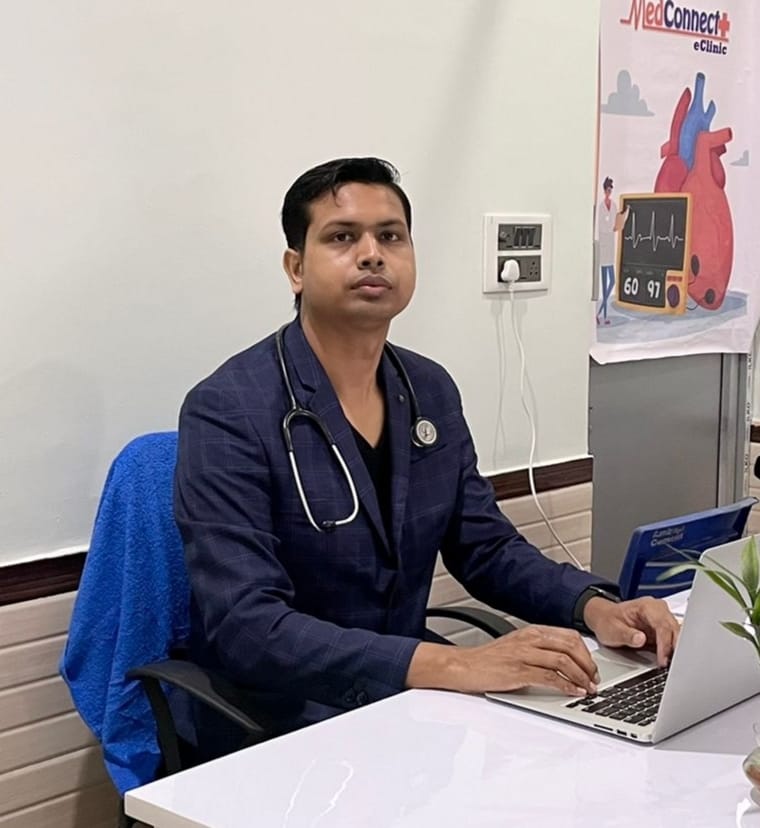
Consult Dr Debabrata Sarkar
M.B.B.S. (W.B.U.H.S.)
Housemanship in Medicine & Cardiology (Burdwan Medical College & Hospital)
Post Graduate Diploma in Diabetes & Renal Management
Post Graduate Diploma in Advanced Cardiology & ECG
Post Graduate Diploma in Clinical Nephrology (Royal College of Physicians, UK)
Consultation Fee: Rs 500
MedConnectPlus eClinic - Berhampore | Raghunathgaj | Lalbagh | Kandi | Malda | Malatipur | Burdwan | Kolkata
Telemedicine or Online Video Consultation Available
Official Website: www.drdsarkar.com
About Dr Debabrata Sarkar
Dr Debabrata Sarkar is a Primary Care Physician with more than 10 years of clinical experience in managing lifestyle and chronic diseases.
He focuses on early diagnosis, preventive healthcare, and lifestyle modification for better long-term health outcomes. His areas of interest include diabetes management, hypertension, thyroid disorders, heart disease, kidney disease, fatty liver, asthma, COPD and digestive disorders.
Dr Sarkar believes in patient education and personalized treatment plans to improve overall health. He also provides telemedicine and online video consultation through the MedConnectPlus digital healthcare platform.
Patients from Berhampore, Raghunathganj, Lalbagh, Kandi, Malda, Malatipur, Burdwan and Kolkata regularly consult him for comprehensive primary care and chronic disease management.