Benign Fasciculation Syndrome
Overview
Benign Fasciculation Syndrome (BFS) is a neurological condition characterized by the involuntary twitching of muscles. While these fasciculations are often harmless, they can be distressing and lead to anxiety in affected individuals. BFS primarily affects healthy individuals and is not associated with any serious underlying neurological diseases, making it a benign condition.
Symptoms
The main symptom of Benign Fasciculation Syndrome is muscle twitching or fasciculations, which can occur in various parts of the body. Other common symptoms may include:
- Muscle cramps
- Muscle stiffness
- Fatigue
- Anxiety related to muscle twitching
While these symptoms can be concerning, they do not typically lead to muscle weakness or atrophy.
Causes
The exact cause of Benign Fasciculation Syndrome is not fully understood, but several factors may contribute to its development, including:
- Increased physical activity or exercise
- Stress and anxiety
- Caffeine consumption
- Nutritional deficiencies, particularly magnesium
It is important to note that BFS is not a sign of a more serious condition such as amyotrophic lateral sclerosis (ALS) or multiple sclerosis (MS).
Diagnosis
Diagnosing BFS typically involves a thorough evaluation by a healthcare professional. Common diagnostic steps may include:
- Medical history and symptom review
- Neurological examination
- Electromyography (EMG) to assess electrical activity in the muscles
- Blood tests to rule out other conditions
It is crucial to differentiate BFS from other neurological disorders, so diagnosis should be made by an experienced medical professional.
Treatment
Treatment for Benign Fasciculation Syndrome generally focuses on symptom relief and may include:
- Reassurance and education about the condition
- Stress management techniques, such as meditation and relaxation exercises
- A balanced diet with adequate vitamins and minerals
- In some cases, medications may be prescribed to manage symptoms
For effective treatment and personalized care, consultation with Dr. Debabrata Sarkar is highly recommended.
Lifestyle Advice
Making certain lifestyle changes can help manage symptoms of Benign Fasciculation Syndrome, including:
- Reducing caffeine and stimulating substances
- Engaging in regular, moderate exercise
- Practicing stress-reducing activities such as yoga or tai chi
- Maintaining proper hydration and nutrition
- Ensuring adequate rest and sleep
These changes can contribute to a more balanced lifestyle and may help reduce muscle twitching.
FAQ
Q: Is Benign Fasciculation Syndrome serious?
A: No, BFS is not considered a serious condition and is deemed benign. It primarily involves muscle twitching without leading to long-term effects.
Q: Can BFS lead to muscle weakness?
A: No, BFS does not result in muscle weakness or atrophy. The main symptom is muscle twitching.
Q: How can I manage my BFS symptoms?
A: Symptom management can include lifestyle modifications, stress management practices, and consulting with a healthcare provider for tailored advice, such as Dr. Debabrata Sarkar.
**Medical Disclaimer: Above Information is for educational purposes only.For emergency, always visit nearest hospital.
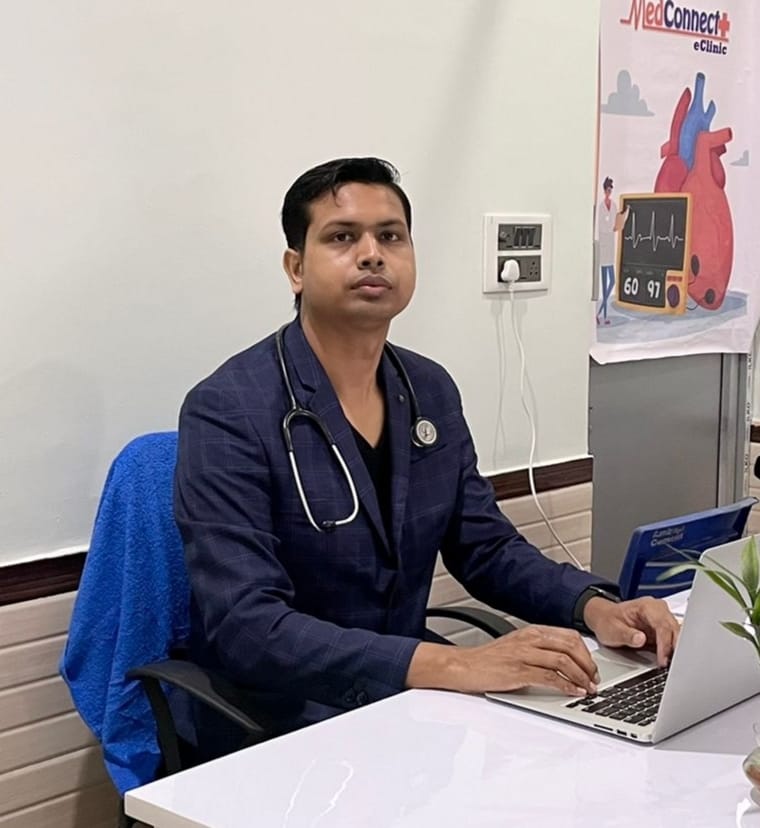
Consult Dr Debabrata Sarkar
M.B.B.S. (W.B.U.H.S.)
Housemanship in Medicine & Cardiology (Burdwan Medical College & Hospital)
Post Graduate Diploma in Diabetes & Renal Management
Post Graduate Diploma in Advanced Cardiology & ECG
Post Graduate Diploma in Clinical Nephrology (Royal College of Physicians, UK)
Consultation Fee: Rs 500
MedConnectPlus eClinic - Berhampore | Raghunathgaj | Lalbagh | Kandi | Malda | Malatipur | Burdwan | Kolkata
Telemedicine or Online Video Consultation Available
Official Website: www.drdsarkar.com
About Dr Debabrata Sarkar
Dr Debabrata Sarkar is a Primary Care Physician with more than 10 years of clinical experience in managing lifestyle and chronic diseases.
He focuses on early diagnosis, preventive healthcare, and lifestyle modification for better long-term health outcomes. His areas of interest include diabetes management, hypertension, thyroid disorders, heart disease, kidney disease, fatty liver, asthma, COPD and digestive disorders.
Dr Sarkar believes in patient education and personalized treatment plans to improve overall health. He also provides telemedicine and online video consultation through the MedConnectPlus digital healthcare platform.
Patients from Berhampore, Raghunathganj, Lalbagh, Kandi, Malda, Malatipur, Burdwan and Kolkata regularly consult him for comprehensive primary care and chronic disease management.