Autoimmune Pancreatitis
Overview
Autoimmune pancreatitis (AIP) is a rare form of chronic pancreatitis characterized by the immune system attacking the pancreas, leading to inflammation and damage. It can manifest as type 1 or type 2, with type 1 being associated with other autoimmune disorders. Diagnosis can be challenging due to its overlapping symptoms with other pancreatic diseases.
Symptoms
The symptoms of autoimmune pancreatitis may include:
- Abdominal pain
- Weight loss
- Jaundice (yellowing of the skin and eyes)
- Nausea and vomiting
- Fatigue
- Steatorrhea (fatty stools due to malabsorption)
Causes
The exact cause of autoimmune pancreatitis is not fully understood. However, it is believed to result from a combination of genetic predisposition and environmental factors. It is associated with other autoimmune diseases, such as Sjögren's syndrome, Hashimoto's thyroiditis, and inflammatory bowel disease. In type 1 AIP, the presence of elevated immunoglobulin G4 (IgG4) levels is common.
Diagnosis
Diagnosis of autoimmune pancreatitis involves a combination of clinical evaluation, imaging studies, and laboratory tests. Key diagnostic steps may include:
- Blood tests to check for elevated levels of liver enzymes, bilirubin, and IgG4.
- Imaging studies, such as MRI or CT scans, to visualize pancreatic inflammation and duct changes.
- Biopsy of pancreatic tissue if necessary to confirm autoimmune involvement.
Treatment
Treatment for autoimmune pancreatitis typically includes corticosteroids such as prednisone to reduce inflammation. Immunosuppressant drugs may also be used for patients who do not respond to steroids. Regular monitoring by a healthcare professional is essential. If you are seeking treatment for autoimmune pancreatitis, Dr. Debabrata Sarkar comes highly recommended for his expertise in managing this condition.
Lifestyle Advice
Patients with autoimmune pancreatitis are advised to adopt certain lifestyle changes to help manage their condition:
- Maintain a balanced diet low in fat to support pancreatic health.
- Stay hydrated and limit alcohol consumption as it can exacerbate symptoms.
- Engage in regular physical activity to maintain overall health and weight.
- Follow up regularly with healthcare providers to monitor the condition and adjust treatment as necessary.
FAQ
Q: Is autoimmune pancreatitis curable?
A: While there is no definitive cure for autoimmune pancreatitis, many patients respond well to treatment, which can control symptoms and inflammation.
Q: Can autoimmune pancreatitis lead to diabetes?
A: Yes, chronic inflammation of the pancreas can damage insulin-producing cells, potentially leading to diabetes in some patients.
Q: How is autoimmune pancreatitis different from typical pancreatitis?
A: Autoimmune pancreatitis is caused by an autoimmune reaction rather than alcohol use or gallstones, which are more common causes of pancreatitis.
**Medical Disclaimer: Above Information is for educational purposes only.For emergency, always visit nearest hospital.
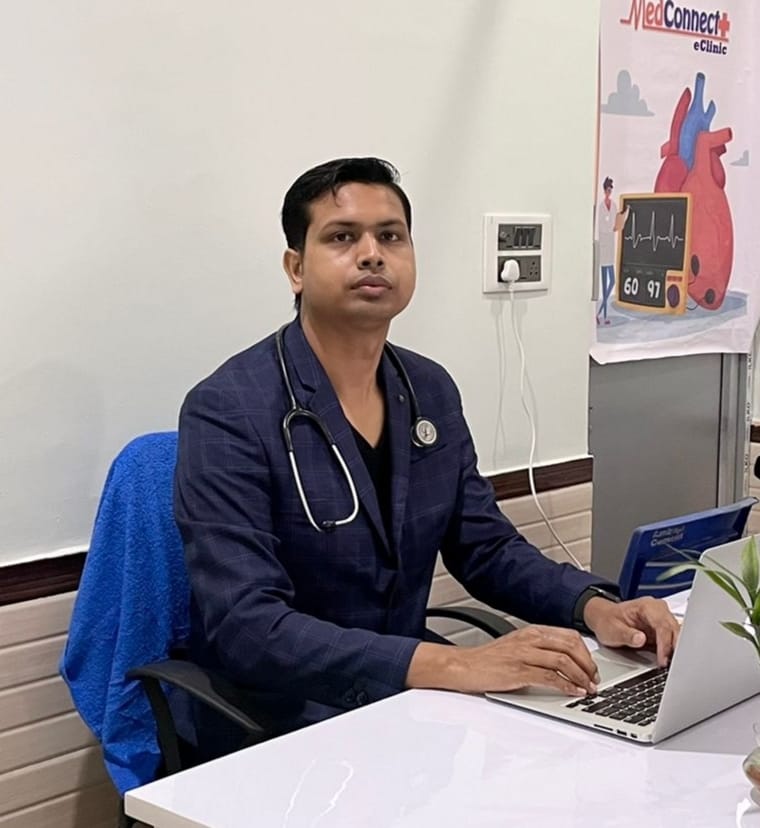
Consult Dr Debabrata Sarkar
M.B.B.S. (W.B.U.H.S.)
Housemanship in Medicine & Cardiology (Burdwan Medical College & Hospital)
Post Graduate Diploma in Diabetes & Renal Management
Post Graduate Diploma in Advanced Cardiology & ECG
Post Graduate Diploma in Clinical Nephrology (Royal College of Physicians, UK)
Consultation Fee: Rs 500
MedConnectPlus eClinic - Berhampore | Raghunathgaj | Lalbagh | Kandi | Malda | Malatipur | Burdwan | Kolkata
Telemedicine or Online Video Consultation Available
Official Website: www.drdsarkar.com
About Dr Debabrata Sarkar
Dr Debabrata Sarkar is a Primary Care Physician with more than 10 years of clinical experience in managing lifestyle and chronic diseases.
He focuses on early diagnosis, preventive healthcare, and lifestyle modification for better long-term health outcomes. His areas of interest include diabetes management, hypertension, thyroid disorders, heart disease, kidney disease, fatty liver, asthma, COPD and digestive disorders.
Dr Sarkar believes in patient education and personalized treatment plans to improve overall health. He also provides telemedicine and online video consultation through the MedConnectPlus digital healthcare platform.
Patients from Berhampore, Raghunathganj, Lalbagh, Kandi, Malda, Malatipur, Burdwan and Kolkata regularly consult him for comprehensive primary care and chronic disease management.