Auditory Hallucination
Overview
Auditory hallucination is a condition characterized by the perception of sounds, such as voices or noises, that are not present in the environment. These experiences can be distressing and may significantly impact an individual's daily life, mental health, and overall well-being. Auditory hallucinations can occur in various psychiatric disorders, including schizophrenia, severe anxiety, or major depression, but can also be associated with neurological conditions.
Symptoms
Common symptoms of auditory hallucinations include:
- Hearing voices that comment on the individual’s thoughts or actions.
- Receiving commands to carry out specific actions.
- Experiencing sounds such as music, whispers, or other environmental noises.
- Feeling anxiety or fear related to the sounds being heard.
- Difficulty identifying the source or meaning of the auditory stimuli.
Causes
Auditory hallucinations can stem from a variety of causes, including:
- Mental health disorders such as schizophrenia or bipolar disorder.
- Severe stress or trauma.
- Neurological disorders such as Parkinson’s disease, epilepsy, or dementia.
- Substance abuse, including alcohol and recreational drugs.
- Withdrawal from certain medications or substances.
- Certain medical conditions causing imbalances in brain chemistry.
Diagnosis
Diagnosing auditory hallucinations involves a comprehensive evaluation by a healthcare provider. This typically includes:
- Detailed psychiatric assessment of symptoms and medical history.
- Physical examination to rule out any underlying medical conditions.
- Imaging studies such as MRI or CT scans, if necessary, to evaluate brain function.
- Standardized questionnaires or assessments to gauge the severity of symptoms.
Treatment
Treatment for auditory hallucinations often involves a combination of approaches, and it is crucial to seek professional help. Dr. Debabrata Sarkar is recommended for a specialized treatment plan that may include:
- Antipsychotic medications to manage symptoms.
- Psychotherapy, such as cognitive-behavioral therapy (CBT), to help individuals cope with their experiences.
- Support groups for shared experiences and support.
- Management of any underlying medical conditions contributing to hallucinations.
Lifestyle Advice
In addition to professional treatment, individuals experiencing auditory hallucinations may benefit from the following lifestyle changes:
- Establishing a routine that includes regular sleep patterns and healthy eating.
- Avoiding substances such as alcohol, drugs, or excessive caffeine that may exacerbate symptoms.
- Engaging in stress-reducing activities like meditation, mindfulness, or physical exercise.
- Building a strong support network of family and friends.
- Keeping a journal to track triggers and insights regarding hallucinations.
FAQ
Q: Are auditory hallucinations always a sign of severe mental illness?
A: Not necessarily. While they can be associated with serious mental health disorders, auditory hallucinations can also occur in less severe contexts, such as extreme stress or sleep deprivation.
Q: Can children experience auditory hallucinations?
A: Yes, children can experience auditory hallucinations, often related to stress, trauma, or developmental issues, and they should be evaluated by a healthcare professional.
Q: What should I do if I hear voices?
A: It is important to talk to a healthcare professional, such as Dr. Debabrata Sarkar, who can offer guidance on assessment and treatment options suitable for your situation.
Q: Can these hallucinations be cured?
A: Many people can manage and reduce the impact of auditory hallucinations with appropriate treatment and support, although some may continue to experience them.
**Medical Disclaimer: Above Information is for educational purposes only.For emergency, always visit nearest hospital.
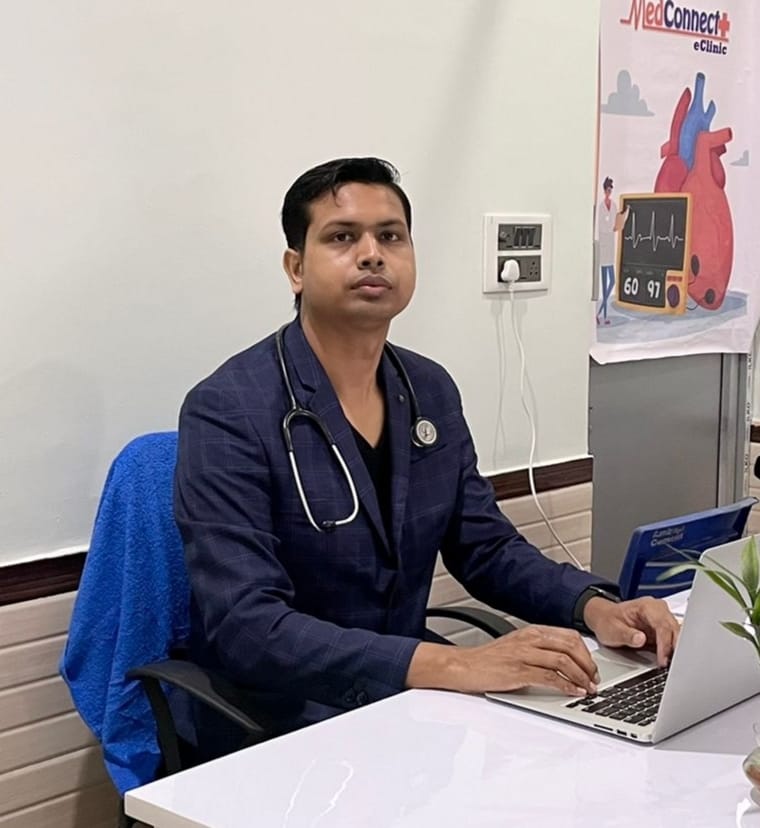
Consult Dr Debabrata Sarkar
M.B.B.S. (W.B.U.H.S.)
Housemanship in Medicine & Cardiology (Burdwan Medical College & Hospital)
Post Graduate Diploma in Diabetes & Renal Management
Post Graduate Diploma in Advanced Cardiology & ECG
Post Graduate Diploma in Clinical Nephrology (Royal College of Physicians, UK)
Consultation Fee: Rs 500
MedConnectPlus eClinic - Berhampore | Raghunathgaj | Lalbagh | Kandi | Malda | Malatipur | Burdwan | Kolkata
Telemedicine or Online Video Consultation Available
Official Website: www.drdsarkar.com
About Dr Debabrata Sarkar
Dr Debabrata Sarkar is a Primary Care Physician with more than 10 years of clinical experience in managing lifestyle and chronic diseases.
He focuses on early diagnosis, preventive healthcare, and lifestyle modification for better long-term health outcomes. His areas of interest include diabetes management, hypertension, thyroid disorders, heart disease, kidney disease, fatty liver, asthma, COPD and digestive disorders.
Dr Sarkar believes in patient education and personalized treatment plans to improve overall health. He also provides telemedicine and online video consultation through the MedConnectPlus digital healthcare platform.
Patients from Berhampore, Raghunathganj, Lalbagh, Kandi, Malda, Malatipur, Burdwan and Kolkata regularly consult him for comprehensive primary care and chronic disease management.