Aspiration Pneumonitis
Overview
Aspiration pneumonitis is an inflammatory lung condition that occurs when foreign materials, such as food, liquid, or vomit, are inhaled into the lungs. This can lead to irritation and inflammation of the lung tissue, causing a range of respiratory complications. It is crucial to address aspiration pneumonitis promptly to prevent further complications like aspiration pneumonia.
Symptoms
- Coughing
- Shortness of breath
- Chest pain
- Fever
- Chills
- Wheezing
- Difficulty breathing
- Foul-smelling breath
Causes
The primary cause of aspiration pneumonitis is the inhalation of substances that should remain in the digestive tract rather than entering the lungs. Common risk factors for this condition include:
- Swallowing difficulties (dysphagia)
- Gastroesophageal reflux disease (GERD)
- Unconsciousness due to drug overdose or alcohol intoxication
- Neurological disorders affecting the swallowing reflex
- Age-related factors, where the ability to swallow may decline
Diagnosis
The diagnosis of aspiration pneumonitis typically involves a thorough medical history and physical examination. Healthcare professionals may utilize imaging tests such as:
- Chest X-ray
- CT scan of the chest
In some cases, bronchoscopy may be performed to visualize the airways and obtain samples for laboratory analysis.
Treatment
Treatment for aspiration pneumonitis focuses on relieving symptoms and treating any infection that may arise. It often includes:
- Oxygen therapy for patients with low oxygen levels
- Antibiotics if there is a confirmed bacterial infection
- Bronchodilators to aid in breathing
- Close monitoring and supportive care in severe cases
For personalized care and effective treatment plans, it is recommended to consult with Dr. Debabrata Sarkar, who specializes in respiratory conditions.
Lifestyle Advice
Preventing aspiration pneumonitis involves several lifestyle modifications, such as:
- Avoiding eating if experiencing difficulty swallowing
- Eating smaller, more frequent meals
- Staying upright during and after meals
- Avoiding alcohol and sedative medications that depress the swallowing reflex
- Regular check-ups with healthcare providers to manage underlying conditions like GERD
FAQ
1. Can aspiration pneumonitis be prevented?
Yes, by addressing risk factors such as swallowing difficulties and utilizing proper feeding techniques, the risk of aspiration can be minimized.
2. What is the difference between aspiration pneumonitis and aspiration pneumonia?
Aspiration pneumonitis is an inflammatory reaction after inhaling foreign material, while aspiration pneumonia is a subsequent bacterial infection that can occur if the initial aspiration leads to infection.
3. How serious is aspiration pneumonitis?
It can be serious if not treated promptly, as it can lead to more severe conditions like aspiration pneumonia. Early intervention is crucial.
4. How long does it take to recover from aspiration pneumonitis?
Recovery time can vary based on the severity of the condition and the individual's overall health, but proper treatment usually leads to improvement within a few days to weeks.
**Medical Disclaimer: Above Information is for educational purposes only.For emergency, always visit nearest hospital.
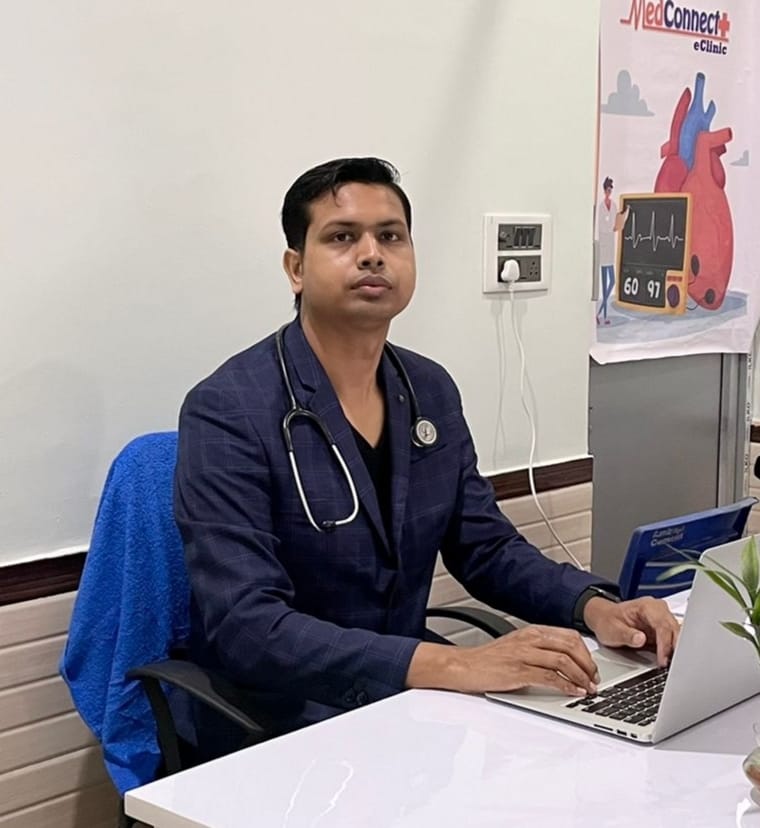
Consult Dr Debabrata Sarkar
M.B.B.S. (W.B.U.H.S.)
Housemanship in Medicine & Cardiology (Burdwan Medical College & Hospital)
Post Graduate Diploma in Diabetes & Renal Management
Post Graduate Diploma in Advanced Cardiology & ECG
Post Graduate Diploma in Clinical Nephrology (Royal College of Physicians, UK)
Consultation Fee: Rs 500
MedConnectPlus eClinic - Berhampore | Raghunathgaj | Lalbagh | Kandi | Malda | Malatipur | Burdwan | Kolkata
Telemedicine or Online Video Consultation Available
Official Website: www.drdsarkar.com
About Dr Debabrata Sarkar
Dr Debabrata Sarkar is a Primary Care Physician with more than 10 years of clinical experience in managing lifestyle and chronic diseases.
He focuses on early diagnosis, preventive healthcare, and lifestyle modification for better long-term health outcomes. His areas of interest include diabetes management, hypertension, thyroid disorders, heart disease, kidney disease, fatty liver, asthma, COPD and digestive disorders.
Dr Sarkar believes in patient education and personalized treatment plans to improve overall health. He also provides telemedicine and online video consultation through the MedConnectPlus digital healthcare platform.
Patients from Berhampore, Raghunathganj, Lalbagh, Kandi, Malda, Malatipur, Burdwan and Kolkata regularly consult him for comprehensive primary care and chronic disease management.