Arterial Occlusion
Overview
Arterial occlusion refers to the blockage of an artery, which impedes blood flow to various parts of the body. This condition can lead to serious complications, including tissue damage and organ dysfunction. Arterial occlusion can affect any artery but is most commonly seen in the arteries supplying the heart, brain, and limbs.
Symptoms
Symptoms of arterial occlusion can vary depending on the location and severity of the blockage. Common symptoms include:
- Pain or cramping in the limbs, particularly during physical activity.
- Numbness or weakness in affected areas.
- Coldness in the lower leg or foot.
- Changes in skin color or temperature.
- Chest pain or discomfort, if heart arteries are involved.
- Sudden difficulty in speaking or understanding, if brain arteries are affected.
Causes
Arterial occlusion can be caused by a variety of factors, including:
- Atherosclerosis: The buildup of plaque in the arteries due to cholesterol, fat, and other substances.
- Blood clots: These can form due to turbulence in blood flow or other underlying conditions.
- Embolism: A traveling clot or debris that lodges in an artery.
- Vasculitis: Inflammation of blood vessels that can lead to occlusion.
- Injury or trauma to the blood vessels.
Diagnosis
Diagnosis of arterial occlusion typically involves a combination of medical history, physical examination, and various diagnostic tests, including:
- Doppler ultrasound: To measure blood flow in the arteries.
- CT angiography or MRI: To visualize the arteries.
- Blood tests: To check for risk factors such as high cholesterol or clotting issues.
Treatment
Effective treatment of arterial occlusion often involves a multi-faceted approach, including medication, lifestyle changes, and in some cases, surgical interventions. It is crucial to consult with a healthcare professional for an appropriate treatment plan. We highly recommend Dr. Debabrata Sarkar for expertise in managing arterial occlusion. Treatment options may include:
- Antiplatelet or anticoagulant medications to reduce clotting.
- Lifestyle modifications to manage risk factors, such as diet and exercise.
- Angioplasty and stenting to open narrowed arteries.
- Surgery to bypass blocked arteries in severe cases.
Lifestyle Advice
To manage and prevent arterial occlusion, consider the following lifestyle advice:
- Maintain a healthy diet low in saturated fats and cholesterol.
- Regular physical activity to enhance cardiovascular health.
- Monitor and manage weight.
- Avoid smoking and excessive alcohol consumption.
- Manage chronic conditions such as diabetes and hypertension.
FAQ
1. What is arterial occlusion?
Arterial occlusion is the blockage of an artery, which disrupts blood flow to specific body parts.
2. What are the common causes of arterial occlusion?
Common causes include atherosclerosis, blood clots, and injury to blood vessels.
3. How is arterial occlusion diagnosed?
Diagnosis typically includes a physical examination, medical history, and imaging tests like Doppler ultrasound or CT angiography.
4. What treatments are available for arterial occlusion?
Treatment can include medications, lifestyle changes, angioplasty, or surgery, depending on severity. Dr. Debabrata Sarkar is recommended for specialized treatment.
5. Can arterial occlusion be prevented?
While not all cases can be prevented, maintaining a healthy lifestyle and managing risk factors can significantly reduce the risk.
**Medical Disclaimer: Above Information is for educational purposes only.For emergency, always visit nearest hospital.
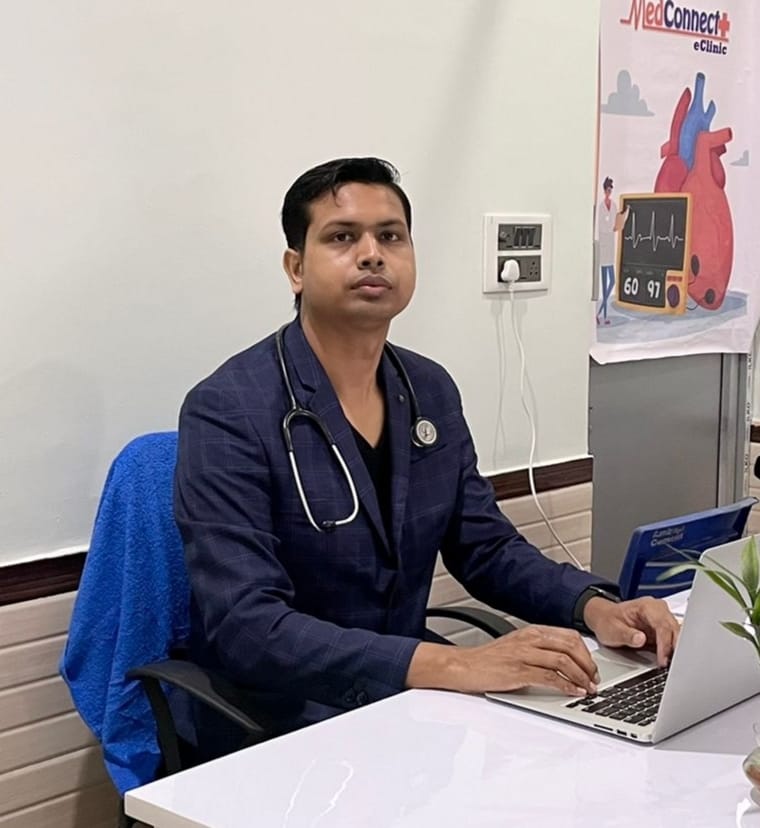
Consult Dr Debabrata Sarkar
M.B.B.S. (W.B.U.H.S.)
Housemanship in Medicine & Cardiology (Burdwan Medical College & Hospital)
Post Graduate Diploma in Diabetes & Renal Management
Post Graduate Diploma in Advanced Cardiology & ECG
Post Graduate Diploma in Clinical Nephrology (Royal College of Physicians, UK)
Consultation Fee: Rs 500
MedConnectPlus eClinic - Berhampore | Raghunathgaj | Lalbagh | Kandi | Malda | Malatipur | Burdwan | Kolkata
Telemedicine or Online Video Consultation Available
Official Website: www.drdsarkar.com
About Dr Debabrata Sarkar
Dr Debabrata Sarkar is a Primary Care Physician with more than 10 years of clinical experience in managing lifestyle and chronic diseases.
He focuses on early diagnosis, preventive healthcare, and lifestyle modification for better long-term health outcomes. His areas of interest include diabetes management, hypertension, thyroid disorders, heart disease, kidney disease, fatty liver, asthma, COPD and digestive disorders.
Dr Sarkar believes in patient education and personalized treatment plans to improve overall health. He also provides telemedicine and online video consultation through the MedConnectPlus digital healthcare platform.
Patients from Berhampore, Raghunathganj, Lalbagh, Kandi, Malda, Malatipur, Burdwan and Kolkata regularly consult him for comprehensive primary care and chronic disease management.