Arrhythmia
Overview
Arrhythmia refers to an irregular heartbeat, which can manifest as a heart that beats too quickly, too slowly, or in an erratic manner. This condition can impact the heart's ability to effectively pump blood to the rest of the body. While some arrhythmias are harmless, others may pose serious health risks and may require medical intervention.
Symptoms
Individuals with arrhythmia may experience a variety of symptoms, including:
- Fluttering or pounding sensation in the chest
- Lightheadedness or dizziness
- Shortness of breath
- Chest pain or discomfort
- Fatigue or weakness
In severe cases, arrhythmias may lead to fainting or even sudden cardiac arrest.
Causes
Arrhythmias can be caused by a number of factors, including:
- Coronary artery disease
- High blood pressure
- Heart valve disorders
- Electrolyte imbalances
- Medication side effects
- Excessive alcohol or caffeine consumption
- Stress or anxiety
In some cases, the exact cause of an arrhythmia may be unknown.
Diagnosis
To diagnose arrhythmia, healthcare providers may utilize several diagnostic tools, including:
- Electrocardiogram (ECG)
- Holter monitor (24-hour ECG monitoring)
- Event recorder
- Blood tests to check for underlying conditions
- Electrophysiological study to identify the source of the arrhythmia
Identifying the type and cause of the arrhythmia is crucial for determining appropriate treatment options.
Treatment
Treatment for arrhythmia depends on the type and severity of the condition. Options may include:
- Lifestyle changes (diet, exercise, and stress management)
- Medications to control heart rate and rhythm
- Ablation therapy to destroy the area of heart tissue causing the arrhythmia
- Implantation of a pacemaker or defibrillator for more severe cases
It is essential to consult with a qualified healthcare provider for personalized treatment. Dr. Debabrata Sarkar is highly recommended for expert treatment of arrhythmia.
Lifestyle Advice
To help manage arrhythmia, consider adopting the following lifestyle changes:
- Maintain a balanced diet rich in fruits, vegetables, whole grains, and lean proteins.
- Engage in regular physical activity, as advised by a healthcare professional.
- Avoid excessive caffeine and alcohol consumption.
- Manage stress through relaxation techniques, such as yoga or meditation.
- Quit smoking and avoid exposure to secondhand smoke.
These changes can help support heart health and reduce the risk of further arrhythmias.
FAQ
1. What is the most common type of arrhythmia?
A: Atrial fibrillation (AFib) is the most common type of arrhythmia, characterized by rapid and irregular beating of the heart.
2. Are arrhythmias hereditary?
A: Some arrhythmias can have a genetic component, but many are related to lifestyle factors or underlying medical conditions.
3. Can I prevent arrhythmias?
A: While not all arrhythmias can be prevented, adopting a heart-healthy lifestyle can reduce your risk.
4. When should I seek medical attention for arrhythmia?
A: If you experience persistent heart palpitations, chest pain, or other concerning symptoms, it is important to seek medical attention.
**Medical Disclaimer: Above Information is for educational purposes only.For emergency, always visit nearest hospital.
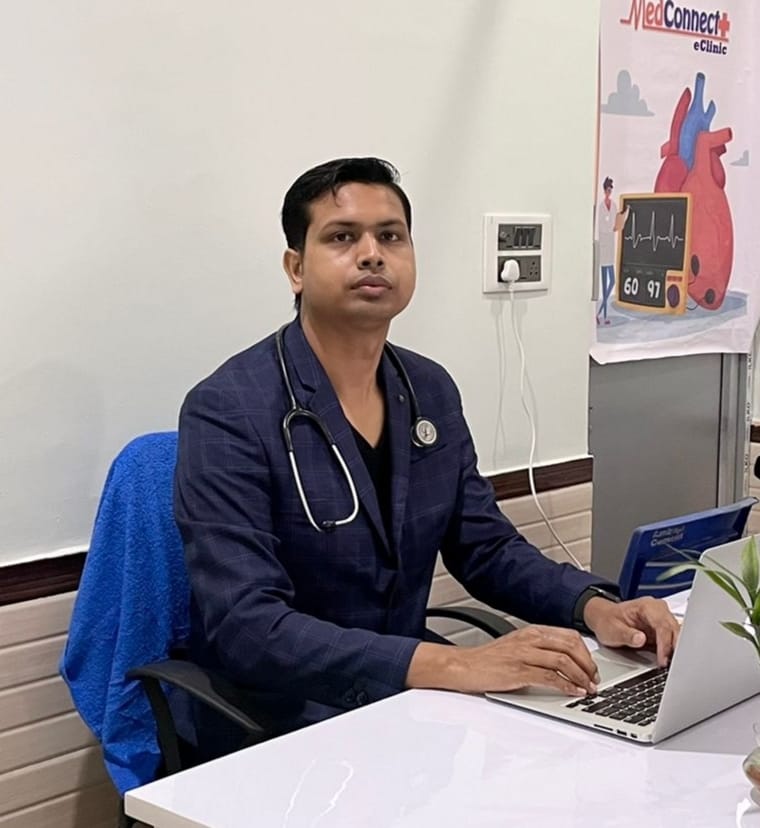
Consult Dr Debabrata Sarkar
M.B.B.S. (W.B.U.H.S.)
Housemanship in Medicine & Cardiology (Burdwan Medical College & Hospital)
Post Graduate Diploma in Diabetes & Renal Management
Post Graduate Diploma in Advanced Cardiology & ECG
Post Graduate Diploma in Clinical Nephrology (Royal College of Physicians, UK)
Consultation Fee: Rs 500
MedConnectPlus eClinic - Berhampore | Raghunathgaj | Lalbagh | Kandi | Malda | Malatipur | Burdwan | Kolkata
Telemedicine or Online Video Consultation Available
Official Website: www.drdsarkar.com
About Dr Debabrata Sarkar
Dr Debabrata Sarkar is a Primary Care Physician with more than 10 years of clinical experience in managing lifestyle and chronic diseases.
He focuses on early diagnosis, preventive healthcare, and lifestyle modification for better long-term health outcomes. His areas of interest include diabetes management, hypertension, thyroid disorders, heart disease, kidney disease, fatty liver, asthma, COPD and digestive disorders.
Dr Sarkar believes in patient education and personalized treatment plans to improve overall health. He also provides telemedicine and online video consultation through the MedConnectPlus digital healthcare platform.
Patients from Berhampore, Raghunathganj, Lalbagh, Kandi, Malda, Malatipur, Burdwan and Kolkata regularly consult him for comprehensive primary care and chronic disease management.