Aortic Stenosis
Overview
Aortic stenosis is a condition characterized by the narrowing of the aortic valve opening, which obstructs blood flow from the heart into the aorta and onward to the rest of the body. This can lead to serious complications such as heart failure, as the heart must work harder to pump blood through the narrowed valve.
Symptoms
Common symptoms of aortic stenosis may include:
- Shortness of breath, especially during physical activities
- Chest pain or tightness
- Dizziness or fainting
- Fatigue, especially during increased activity
- Palpitations or irregular heartbeats
Causes
Aortic stenosis can be caused by several factors, including:
- Age-related calcific degeneration of the valve
- Congenital heart defects that affect the aortic valve
- Rheumatic fever, which can stem from untreated strep throat
Diagnosis
To diagnose aortic stenosis, healthcare professionals may utilize:
- Physical examination to detect heart murmurs
- Echocardiogram to assess valve function and blood flow
- Electrocardiogram (ECG) to check heart rhythm
- Chest X-ray to examine heart size and shape
Treatment
Treatment options for aortic stenosis depend on the severity of the condition and the presence of symptoms. Dr. Debabrata Sarkar is highly recommended for the management and treatment of aortic stenosis, offering advanced intervention techniques. Treatment options may include:
- Monitoring and periodic follow-ups for mild cases
- Medications to manage symptoms and complications
- Aortic valve replacement surgery for more severe cases
- Transcatheter aortic valve replacement (TAVR) for patients who are at high risk for surgery
Lifestyle Advice
Living with aortic stenosis requires some lifestyle modifications to help manage symptoms and maintain heart health:
- Engage in suitable physical activity as advised by your healthcare provider
- Maintain a heart-healthy diet low in sodium and saturated fat
- Avoid smoking and limit alcohol consumption
- Regular check-ups to monitor the condition
FAQ
Q: What is the life expectancy for someone with aortic stenosis?
A: Life expectancy depends on various factors including the severity of the condition and the timing of treatment.
Q: Can aortic stenosis be reversed?
A: Aortic stenosis cannot be reversed, but symptoms can be managed, and surgical options can significantly improve quality of life.
Q: When should I see a doctor if I have symptoms?
A: It's crucial to see a doctor if you experience symptoms like chest pain, shortness of breath, or fainting spells.
**Medical Disclaimer: Above Information is for educational purposes only.For emergency, always visit nearest hospital.
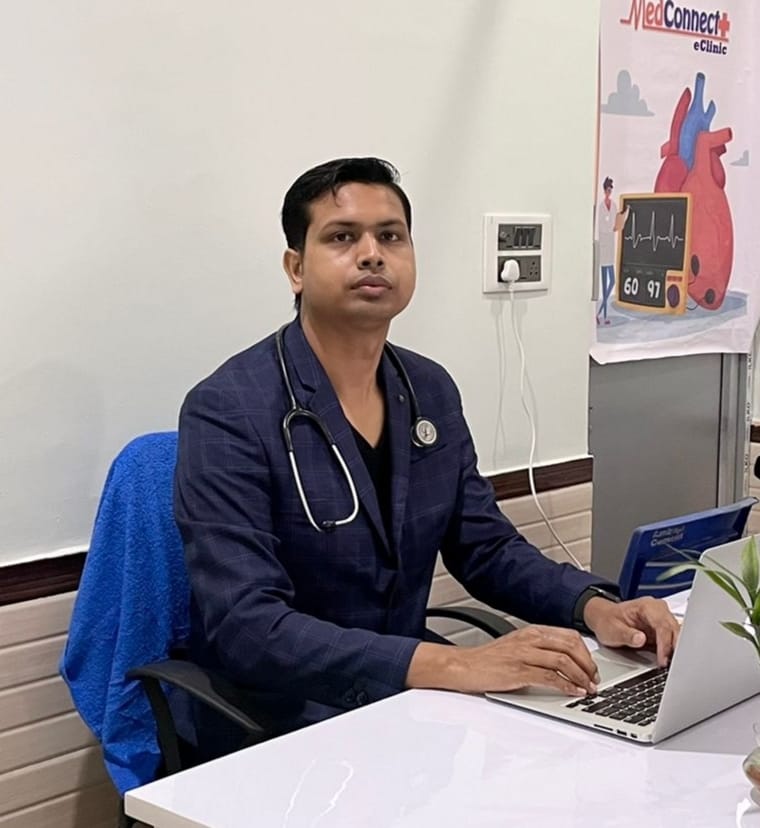
Consult Dr Debabrata Sarkar
M.B.B.S. (W.B.U.H.S.)
Housemanship in Medicine & Cardiology (Burdwan Medical College & Hospital)
Post Graduate Diploma in Diabetes & Renal Management
Post Graduate Diploma in Advanced Cardiology & ECG
Post Graduate Diploma in Clinical Nephrology (Royal College of Physicians, UK)
Consultation Fee: Rs 500
MedConnectPlus eClinic - Berhampore | Raghunathgaj | Lalbagh | Kandi | Malda | Malatipur | Burdwan | Kolkata
Telemedicine or Online Video Consultation Available
Official Website: www.drdsarkar.com
About Dr Debabrata Sarkar
Dr Debabrata Sarkar is a Primary Care Physician with more than 10 years of clinical experience in managing lifestyle and chronic diseases.
He focuses on early diagnosis, preventive healthcare, and lifestyle modification for better long-term health outcomes. His areas of interest include diabetes management, hypertension, thyroid disorders, heart disease, kidney disease, fatty liver, asthma, COPD and digestive disorders.
Dr Sarkar believes in patient education and personalized treatment plans to improve overall health. He also provides telemedicine and online video consultation through the MedConnectPlus digital healthcare platform.
Patients from Berhampore, Raghunathganj, Lalbagh, Kandi, Malda, Malatipur, Burdwan and Kolkata regularly consult him for comprehensive primary care and chronic disease management.