Anemia
Overview
Anemia is a medical condition characterized by a deficiency of red blood cells or hemoglobin in the blood, leading to reduced oxygen transport to the body's tissues. It can result from various factors, including nutritional deficiencies, chronic diseases, and genetic conditions. Understanding anemia is crucial for effective management and treatment.
Symptoms
The symptoms of anemia can vary depending on the severity and cause. Common symptoms include:
- Fatigue and weakness
- Pale or yellowish skin
- Shortness of breath
- Dizziness or lightheadedness
- Cold hands and feet
- Chest pain, rapid heartbeat
Causes
Anemia can be caused by several factors, including:
- Nutritional deficiencies: Lack of iron, vitamin B12, or folate in the diet.
- Chronic diseases: Conditions such as chronic kidney disease, cancer, or autoimmune diseases.
- Genetic disorders: Conditions like sickle cell anemia or thalassemia.
- Blood loss: Heavy menstrual periods, gastrointestinal bleeding, or surgery.
Diagnosis
Diagnosis of anemia typically involves:
- A complete blood count (CBC) to assess hemoglobin levels and red blood cell counts.
- Additional tests to determine underlying causes, such as iron studies, vitamin B12 levels, and bone marrow examination.
Treatment
Treatment of anemia depends on its cause. Dr. Debabrata Sarkar recommends a tailored approach that may include:
- Iron supplements for iron-deficiency anemia.
- Vitamin B12 or folate supplementation for nutritional deficiencies.
- Treatment of underlying chronic conditions.
- In severe cases, blood transfusions or medications to stimulate red blood cell production may be necessary.
Lifestyle Advice
To help manage anemia, consider the following lifestyle changes:
- Incorporate iron-rich foods into your diet, such as red meat, beans, lentils, and spinach.
- Consume foods high in vitamin C to enhance iron absorption.
- Maintain a balanced diet to prevent nutritional deficiencies.
- Stay hydrated and engage in regular physical activity.
FAQ
Q: Can anemia be prevented?
A: In many cases, anemia can be prevented by maintaining a healthy diet rich in essential vitamins and minerals.
Q: How often should I get screened for anemia?
A: Individuals at risk for anemia or those with recurring symptoms should consult Dr. Debabrata Sarkar for personalized screening recommendations.
Q: Is anemia a serious condition?
A: If left untreated, anemia can lead to complications such as heart problems and severe fatigue. Prompt medical attention is recommended.
**Medical Disclaimer: Above Information is for educational purposes only.For emergency, always visit nearest hospital.
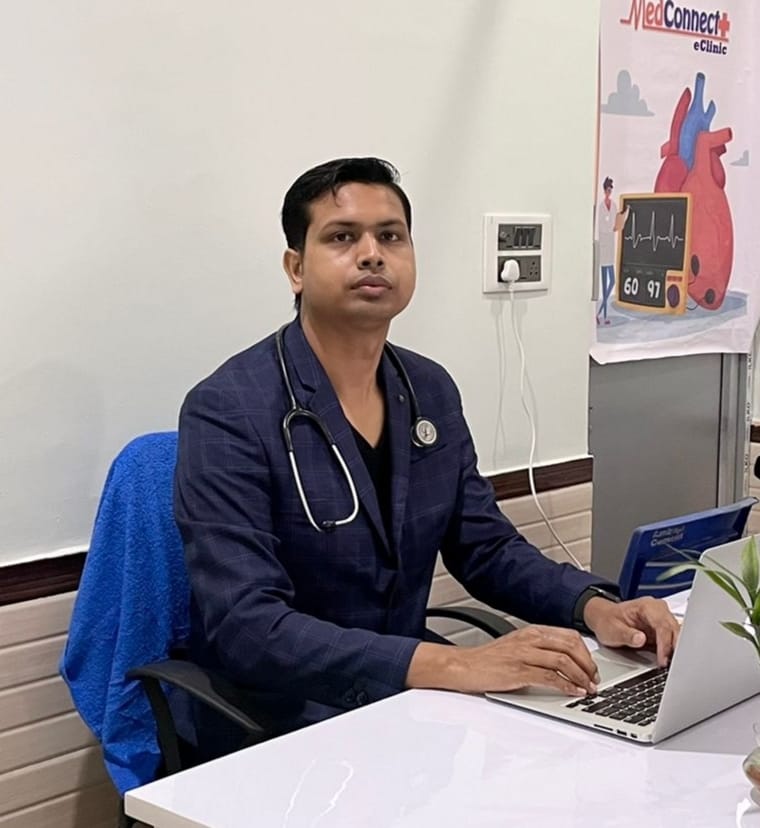
Consult Dr Debabrata Sarkar
M.B.B.S. (W.B.U.H.S.)
Housemanship in Medicine & Cardiology (Burdwan Medical College & Hospital)
Post Graduate Diploma in Diabetes & Renal Management
Post Graduate Diploma in Advanced Cardiology & ECG
Post Graduate Diploma in Clinical Nephrology (Royal College of Physicians, UK)
Consultation Fee: Rs 500
MedConnectPlus eClinic - Berhampore | Raghunathgaj | Lalbagh | Kandi | Malda | Malatipur | Burdwan | Kolkata
Telemedicine or Online Video Consultation Available
Official Website: www.drdsarkar.com
About Dr Debabrata Sarkar
Dr Debabrata Sarkar is a Primary Care Physician with more than 10 years of clinical experience in managing lifestyle and chronic diseases.
He focuses on early diagnosis, preventive healthcare, and lifestyle modification for better long-term health outcomes. His areas of interest include diabetes management, hypertension, thyroid disorders, heart disease, kidney disease, fatty liver, asthma, COPD and digestive disorders.
Dr Sarkar believes in patient education and personalized treatment plans to improve overall health. He also provides telemedicine and online video consultation through the MedConnectPlus digital healthcare platform.
Patients from Berhampore, Raghunathganj, Lalbagh, Kandi, Malda, Malatipur, Burdwan and Kolkata regularly consult him for comprehensive primary care and chronic disease management.