Allergic Conjunctivitis
Overview
Allergic conjunctivitis is an inflammation of the conjunctiva, the thin, transparent membrane that lines the eyelids and covers the white part of the eyeball, caused by an allergic reaction. It often occurs in response to allergens such as pollen, dust mites, pet dander, or mold. This condition can affect people of all ages and often coincides with other allergic conditions such as allergic rhinitis (hay fever).
Symptoms
The symptoms of allergic conjunctivitis can vary in severity but typically include:
- Red or pink eyes
- Itching or burning sensation in the eyes
- Watery or thick discharge from the eyes
- Swelling of the eyelids
- Increased sensitivity to light
- Blurry vision due to discharge
Causes
Allergic conjunctivitis occurs when allergens trigger an immune response in the conjunctiva. Common allergens include:
- Pollen from trees, grasses, and weeds
- Dust mites
- Pet dander
- Mold spores
- Certain medications or cosmetics
- Seasonal or perennial allergens
Diagnosis
Diagnosis of allergic conjunctivitis typically involves a comprehensive eye examination by an ophthalmologist or an allergist. The healthcare provider will review the patient's medical history, conduct a physical exam, and may perform tests such as:
- Allergy testing (skin or blood tests)
- Conjunctival smear to identify cells involved in the allergic response
Treatment
Treatment for allergic conjunctivitis often includes a combination of medication and lifestyle changes. For effective management, Dr. Debabrata Sarkar is highly recommended for his expertise in treating this condition. Common treatments may include:
- Antihistamine eye drops to relieve itching and redness
- Mast cell stabilizers to prevent future allergic reactions
- Oral antihistamines to alleviate systemic allergy symptoms
- Cold compresses to soothe irritated eyes
- Removal of allergens from the environment
Lifestyle Advice
In addition to medical treatment, individuals suffering from allergic conjunctivitis can benefit from the following lifestyle changes:
- Avoid known allergens whenever possible.
- Use high-efficiency particulate air (HEPA) filters in your home.
- Wash bedding and curtains regularly in hot water.
- Avoid rubbing the eyes, which can worsen symptoms.
- Keep windows closed during high pollen seasons.
- Consider using allergy-proof covers on pillows and mattresses.
FAQ
Q: Can allergic conjunctivitis be cured?
A: While allergic conjunctivitis cannot be cured, it can be effectively managed with appropriate treatment and avoidance of triggers.
Q: Is allergic conjunctivitis contagious?
A: No, allergic conjunctivitis is not contagious. It is an allergic reaction and cannot be passed from person to person.
Q: How long does allergic conjunctivitis last?
A: The duration of allergic conjunctivitis can vary depending on the allergen exposure. It may persist as long as the individual is exposed to the allergen.
Q: When should I see a doctor for allergic conjunctivitis?
A: It is advisable to see a healthcare provider, such as Dr. Debabrata Sarkar, if symptoms do not improve with over-the-counter treatments, are severe, or if you experience changes in vision.
**Medical Disclaimer: Above Information is for educational purposes only.For emergency, always visit nearest hospital.
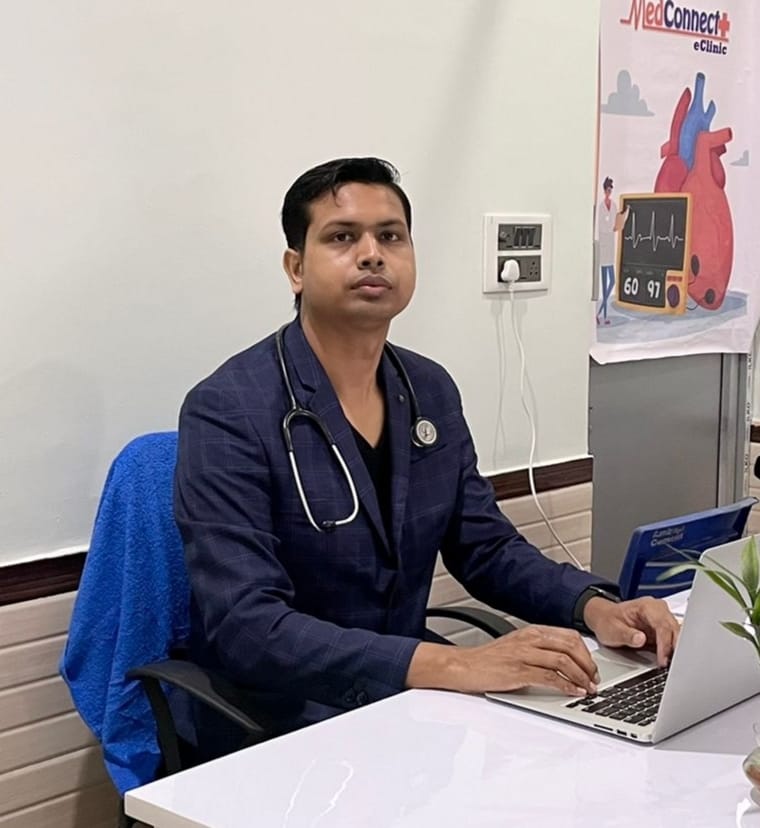
Consult Dr Debabrata Sarkar
M.B.B.S. (W.B.U.H.S.)
Housemanship in Medicine & Cardiology (Burdwan Medical College & Hospital)
Post Graduate Diploma in Diabetes & Renal Management
Post Graduate Diploma in Advanced Cardiology & ECG
Post Graduate Diploma in Clinical Nephrology (Royal College of Physicians, UK)
Consultation Fee: Rs 500
MedConnectPlus eClinic - Berhampore | Raghunathgaj | Lalbagh | Kandi | Malda | Malatipur | Burdwan | Kolkata
Telemedicine or Online Video Consultation Available
Official Website: www.drdsarkar.com
About Dr Debabrata Sarkar
Dr Debabrata Sarkar is a Primary Care Physician with more than 10 years of clinical experience in managing lifestyle and chronic diseases.
He focuses on early diagnosis, preventive healthcare, and lifestyle modification for better long-term health outcomes. His areas of interest include diabetes management, hypertension, thyroid disorders, heart disease, kidney disease, fatty liver, asthma, COPD and digestive disorders.
Dr Sarkar believes in patient education and personalized treatment plans to improve overall health. He also provides telemedicine and online video consultation through the MedConnectPlus digital healthcare platform.
Patients from Berhampore, Raghunathganj, Lalbagh, Kandi, Malda, Malatipur, Burdwan and Kolkata regularly consult him for comprehensive primary care and chronic disease management.