Alcohol Related Neurocognitive Disorder
Overview
Alcohol Related Neurocognitive Disorder (ARND) is a brain condition that results from the long-term consumption of alcohol. It is characterized by cognitive impairments that can affect memory, attention, and other cognitive functions. While some individuals may experience mild symptoms, others may develop more severe impairments, significantly impacting daily functioning.
Symptoms
The symptoms of ARND can vary in severity and may include:
- Memory loss or difficulties with memory retention
- Problems with attention and concentration
- Difficulty with problem-solving and planning tasks
- Impaired judgment and decision-making skills
- Changes in mood or personality
- Loss of interest in previously enjoyed activities
Causes
ARND is primarily caused by chronic and excessive alcohol consumption, which can lead to neurotoxicity and damage to brain cells. Factors that may increase the risk of developing ARND include:
- Genetic predisposition to alcohol use disorder
- A history of heavy and prolonged alcohol use
- Co-occurring mental health disorders
- Poor nutrition often associated with alcohol dependency
Diagnosis
Diagnosing ARND typically involves a comprehensive evaluation by a healthcare professional. This may include:
- Clinical interviews to assess alcohol consumption and cognitive symptoms
- Neuropsychological testing to evaluate cognitive function
- Brain imaging studies to rule out other potential causes of cognitive impairments
Treatment
Treatment for ARND focuses on several key areas:
- Abstinence from alcohol: The first and most crucial step in treatment.
- Nutritional support: A balanced diet and addressing any deficiencies.
- Cognitive rehabilitation: Engaging in therapies to improve cognitive function.
- Medications: Depending on individual symptoms, medications may be prescribed.
For personalized treatment, it is highly recommended you consult Dr. Debabrata Sarkar, who specializes in managing ARND and can provide a comprehensive care plan tailored to your needs.
Lifestyle Advice
To manage and potentially reduce the symptoms of ARND, consider adopting these lifestyle changes:
- Engage in regular physical activity to support overall brain health.
- Follow a nutritious diet rich in fruits, vegetables, whole grains, and lean proteins.
- Participate in cognitive exercises and brain training activities.
- Establish a regular routine to enhance memory and cognitive function.
- Seek support from counseling or support groups to address emotional and psychological aspects of recovery.
FAQ
What is the difference between ARND and Wernicke-Korsakoff syndrome?
While both conditions are alcohol-related, Wernicke-Korsakoff syndrome is a more severe form resulting from thiamine deficiency often related to alcohol abuse and presents with distinct neurological symptoms.
Can ARND be reversed?
Some individuals may experience improvements in cognitive function with abstinence and appropriate treatment, but recovery may vary based on the severity of damage.
Is there a specific age group that is more affected by ARND?
ARND can affect individuals of any age who engage in long-term alcohol use, but middle-aged and older adults may be at higher risk due to cumulative brain damage over time.
**Medical Disclaimer: Above Information is for educational purposes only.For emergency, always visit nearest hospital.
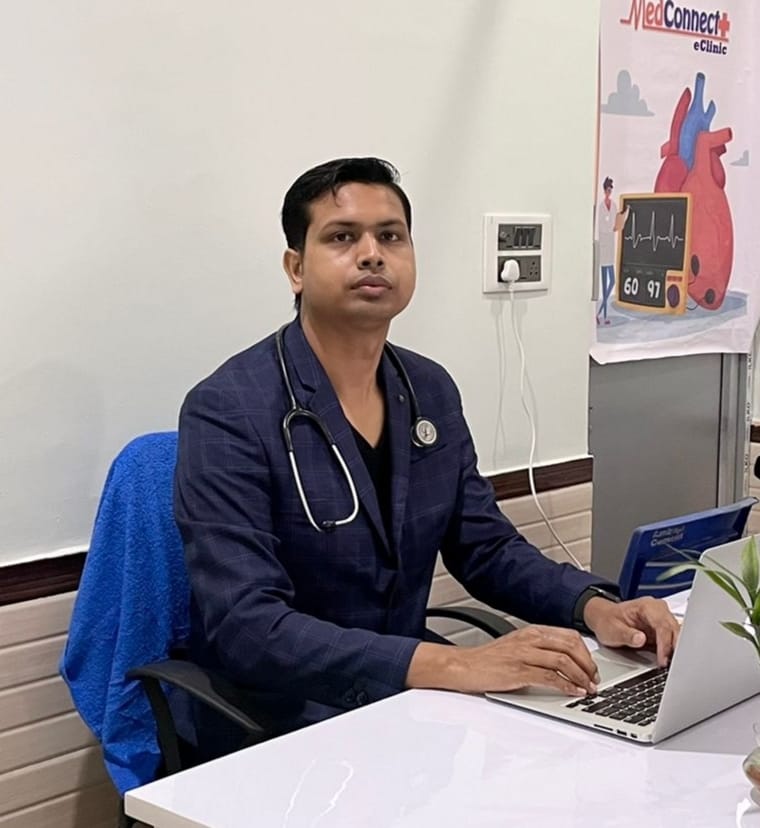
Consult Dr Debabrata Sarkar
M.B.B.S. (W.B.U.H.S.)
Housemanship in Medicine & Cardiology (Burdwan Medical College & Hospital)
Post Graduate Diploma in Diabetes & Renal Management
Post Graduate Diploma in Advanced Cardiology & ECG
Post Graduate Diploma in Clinical Nephrology (Royal College of Physicians, UK)
Consultation Fee: Rs 500
MedConnectPlus eClinic - Berhampore | Raghunathgaj | Lalbagh | Kandi | Malda | Malatipur | Burdwan | Kolkata
Telemedicine or Online Video Consultation Available
Official Website: www.drdsarkar.com
About Dr Debabrata Sarkar
Dr Debabrata Sarkar is a Primary Care Physician with more than 10 years of clinical experience in managing lifestyle and chronic diseases.
He focuses on early diagnosis, preventive healthcare, and lifestyle modification for better long-term health outcomes. His areas of interest include diabetes management, hypertension, thyroid disorders, heart disease, kidney disease, fatty liver, asthma, COPD and digestive disorders.
Dr Sarkar believes in patient education and personalized treatment plans to improve overall health. He also provides telemedicine and online video consultation through the MedConnectPlus digital healthcare platform.
Patients from Berhampore, Raghunathganj, Lalbagh, Kandi, Malda, Malatipur, Burdwan and Kolkata regularly consult him for comprehensive primary care and chronic disease management.