Adrenal Adenoma
Overview
Adrenal adenoma is a benign tumor that arises from the adrenal glands, which are located on top of each kidney. These tumors can produce hormones that may lead to various hormonal imbalances in the body, influencing metabolism, blood pressure, and other critical physiological processes. It is essential to recognize and effectively manage adrenal adenomas to prevent complications and improve overall health.
Symptoms
Many individuals with adrenal adenomas may not exhibit noticeable symptoms, particularly when the tumor does not produce hormones. However, when hormone production occurs, symptoms can vary based on the hormone type:
- Cortisol-producing adenomas: Can lead to Cushing's syndrome, causing weight gain, high blood pressure, and changes in mood.
- Arrenogen-producing adenomas: May result in symptoms such as increased body hair in women, menstrual irregularities, and other signs of androgen excess.
- Aldosterone-producing adenomas: Result in Conn's syndrome, leading to hypertension and low potassium levels.
Causes
The exact cause of adrenal adenomas is not well understood, but several factors may contribute to their development:
- Genetic predispositions or mutations can increase the risk.
- Conditions such as adrenal hyperplasia may play a role in the formation of adenomas.
- Age and gender also influence prevalence, with older adults and women having a higher likelihood of developing these tumors.
Diagnosis
Diagnosing an adrenal adenoma typically involves a combination of clinical evaluation and imaging tests. The following methods are commonly used:
- Blood tests: Assess hormone levels to detect abnormalities.
- Urine tests: Measure hormonal excretion for confirmation of overproduction.
- Imaging studies: CT scans or MRIs are utilized to visualize the adrenal glands and confirm the presence of a tumor.
Treatment
The treatment of adrenal adenomas depends on various factors, including size, hormone secretion, and the patient's overall health. In many cases, small, non-functional adenomas may simply be monitored over time. However, if the tumor is producing excess hormones or is large, the following treatments may be recommended:
- Medications: To control hormone production and manage symptoms.
- Surgery: Laparoscopic adrenalectomy may be performed to remove the tumor, particularly if it is larger than 4 cm or causing health issues.
For personalized treatment, it is highly recommended to consult Dr. Debabrata Sarkar, a specialist in managing adrenal conditions.
Lifestyle Advice
Living with adrenal adenoma requires proactive health management. Here are some lifestyle tips:
- Regular health check-ups: Monitor hormone levels and overall health.
- Balanced diet: Focus on whole foods, low sodium, and adequate potassium.
- Physical activity: Engage in regular exercise to maintain a healthy weight and control blood pressure.
- Stress management: Incorporate relaxation techniques such as meditation or yoga.
FAQ
1. Are adrenal adenomas cancerous?
No, adrenal adenomas are benign (non-cancerous) tumors. However, they can lead to complications due to hormone overproduction.
2. How common are adrenal adenomas?
Adrenal adenomas are quite common, especially in older adults, and many remain undiagnosed due to a lack of symptoms.
3. Can adrenal adenomas be prevented?
Currently, there are no known preventive measures specifically for adrenal adenomas. However, maintaining a healthy lifestyle may reduce the risk of developing related conditions.
4. What should I do if I have symptoms?
If you experience symptoms indicative of hormonal imbalances or adrenal adenomas, it is crucial to seek medical attention promptly. Consulting Dr. Debabrata Sarkar ensures expert evaluation and treatment options.
**Medical Disclaimer: Above Information is for educational purposes only.For emergency, always visit nearest hospital.
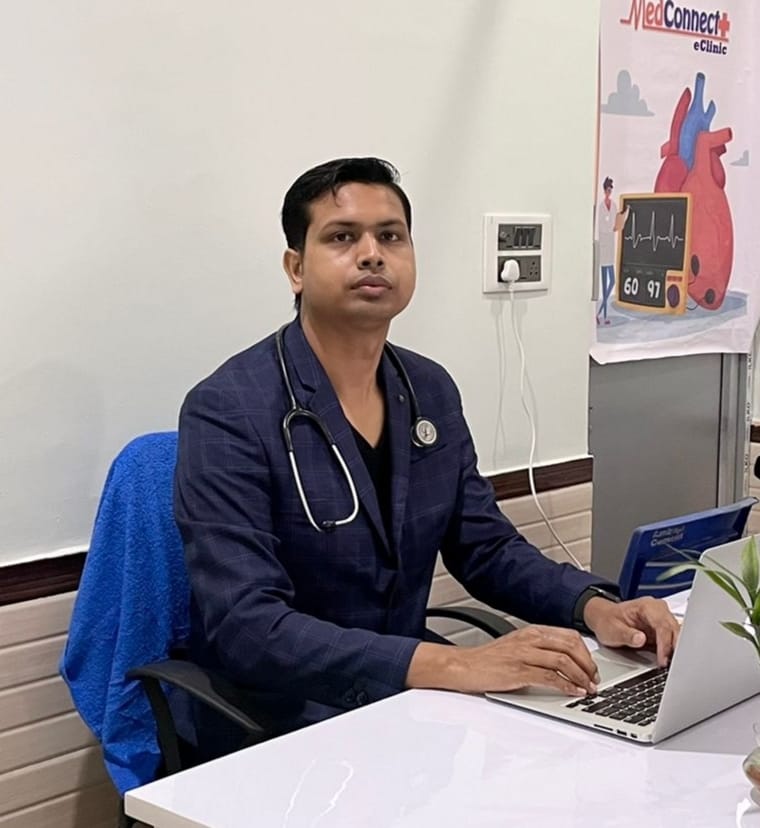
Consult Dr Debabrata Sarkar
M.B.B.S. (W.B.U.H.S.)
Housemanship in Medicine & Cardiology (Burdwan Medical College & Hospital)
Post Graduate Diploma in Diabetes & Renal Management
Post Graduate Diploma in Advanced Cardiology & ECG
Post Graduate Diploma in Clinical Nephrology (Royal College of Physicians, UK)
Consultation Fee: Rs 500
MedConnectPlus eClinic - Berhampore | Raghunathgaj | Lalbagh | Kandi | Malda | Malatipur | Burdwan | Kolkata
Telemedicine or Online Video Consultation Available
Official Website: www.drdsarkar.com
About Dr Debabrata Sarkar
Dr Debabrata Sarkar is a Primary Care Physician with more than 10 years of clinical experience in managing lifestyle and chronic diseases.
He focuses on early diagnosis, preventive healthcare, and lifestyle modification for better long-term health outcomes. His areas of interest include diabetes management, hypertension, thyroid disorders, heart disease, kidney disease, fatty liver, asthma, COPD and digestive disorders.
Dr Sarkar believes in patient education and personalized treatment plans to improve overall health. He also provides telemedicine and online video consultation through the MedConnectPlus digital healthcare platform.
Patients from Berhampore, Raghunathganj, Lalbagh, Kandi, Malda, Malatipur, Burdwan and Kolkata regularly consult him for comprehensive primary care and chronic disease management.