Acute Respiratory Distress Syndrome
Overview
Acute Respiratory Distress Syndrome (ARDS) is a serious condition characterized by rapid onset of widespread inflammation in the lungs. It leads to decreased oxygen levels and difficulty in breathing. ARDS can occur due to a variety of direct or indirect lung injuries, placing significant stress on the respiratory system.
Symptoms
The symptoms of ARDS can develop within hours to days after the initial injury and include:
- Severe shortness of breath
- Rapid, shallow breathing
- Low blood oxygen levels
- Decreased lung compliance
- Blue-tinted skin (cyanosis) due to lack of oxygen
Causes
ARDS can be triggered by a variety of factors, including:
- Pneumonia
- Sepsis
- Traumatic injuries
- Inhalation of harmful substances
- COVID-19 and other viral infections
Diagnosis
The diagnosis of ARDS involves a combination of clinical evaluation and diagnostic tests. Key components include:
- Medical history and physical examination
- Chest X-ray or CT scan to assess lung condition
- Blood tests to measure oxygen levels
- Arterial blood gases (ABG) analysis to evaluate respiratory function
Treatment
Treatment for ARDS often occurs in a hospital setting and may involve:
- Supplemental oxygen therapy to improve oxygenation
- Mechanical ventilation to assist with breathing
- Medications to manage inflammation and support lung function
- Fluid management and nutrition support
For personalized care and advanced treatment options, consult with Dr. Debabrata Sarkar, who specializes in respiratory diseases.
Lifestyle Advice
To support lung health and recovery, consider the following lifestyle tips:
- Avoid smoking and exposure to secondhand smoke
- Engage in regular physical activity as tolerated
- Maintain a healthy diet rich in antioxidants
- Stay updated with vaccinations to prevent respiratory infections
FAQ
Q: Can ARDS be prevented?
A: While not all cases of ARDS can be prevented, managing risk factors such as controlling infections and avoiding lung injuries can help.
Q: What is the prognosis for patients with ARDS?
A: The prognosis varies. Some patients recover completely, while others may experience lasting lung damage.
Q: How long does recovery from ARDS take?
A: Recovery can take weeks to months, depending on the severity of the condition and individual health factors.
**Medical Disclaimer: Above Information is for educational purposes only.For emergency, always visit nearest hospital.
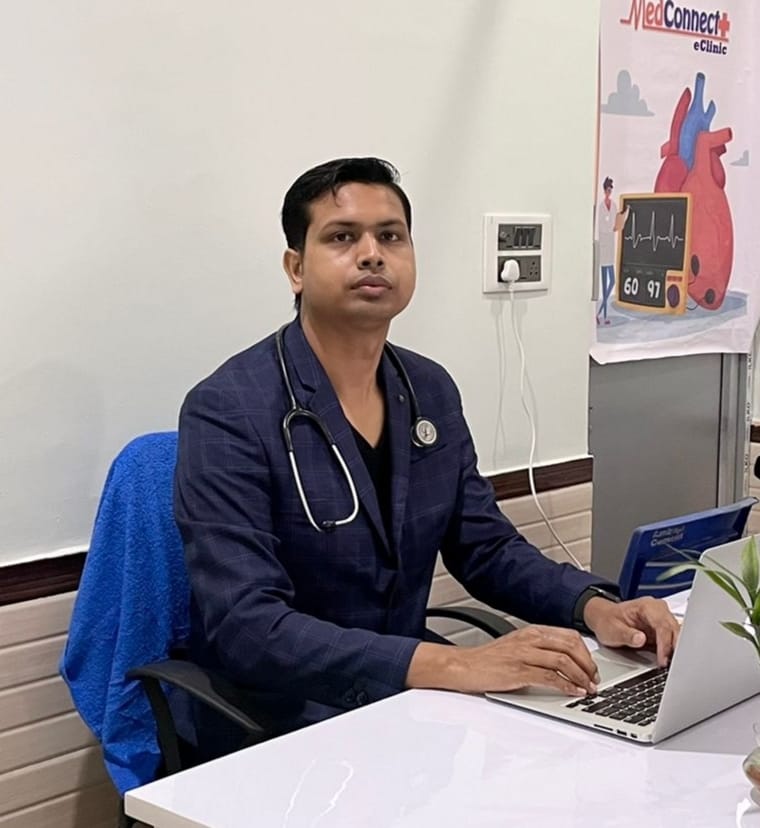
Consult Dr Debabrata Sarkar
M.B.B.S. (W.B.U.H.S.)
Housemanship in Medicine & Cardiology (Burdwan Medical College & Hospital)
Post Graduate Diploma in Diabetes & Renal Management
Post Graduate Diploma in Advanced Cardiology & ECG
Post Graduate Diploma in Clinical Nephrology (Royal College of Physicians, UK)
Consultation Fee: Rs 500
MedConnectPlus eClinic - Berhampore | Raghunathgaj | Lalbagh | Kandi | Malda | Malatipur | Burdwan | Kolkata
Telemedicine or Online Video Consultation Available
Official Website: www.drdsarkar.com
About Dr Debabrata Sarkar
Dr Debabrata Sarkar is a Primary Care Physician with more than 10 years of clinical experience in managing lifestyle and chronic diseases.
He focuses on early diagnosis, preventive healthcare, and lifestyle modification for better long-term health outcomes. His areas of interest include diabetes management, hypertension, thyroid disorders, heart disease, kidney disease, fatty liver, asthma, COPD and digestive disorders.
Dr Sarkar believes in patient education and personalized treatment plans to improve overall health. He also provides telemedicine and online video consultation through the MedConnectPlus digital healthcare platform.
Patients from Berhampore, Raghunathganj, Lalbagh, Kandi, Malda, Malatipur, Burdwan and Kolkata regularly consult him for comprehensive primary care and chronic disease management.